Priya Nair's HUL Appointment Is a Visibility Milestone, Not Just a Title
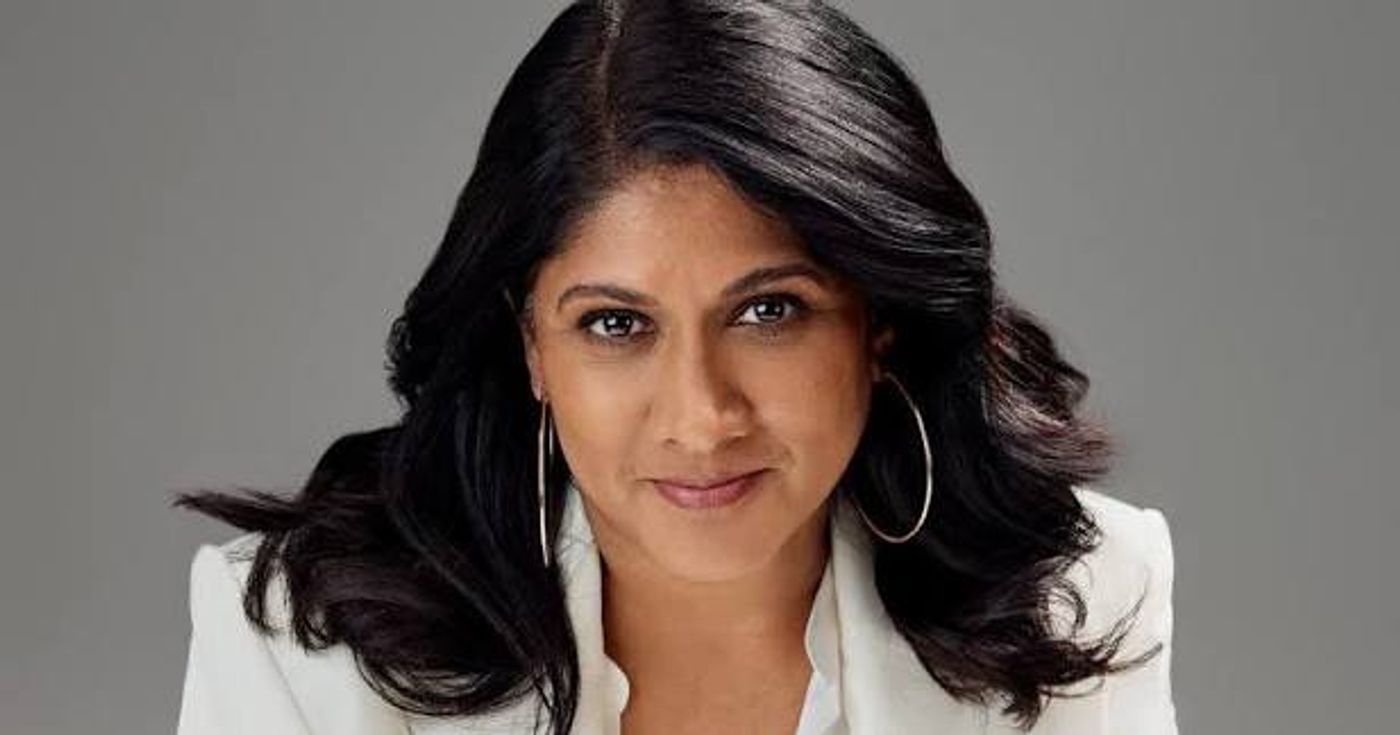
Priya Nair’s HUL Appointment: More Than a First
On August 1, 2025, Priya Nair will become the first woman to serve as CEO and Managing Director of Hindustan Unilever Limited (HUL), India’s largest FMCG company. This is not a routine succession. For women across the sector, seeing a woman at the helm of a 92-year-old industry giant is a consequential moment, anchored as much in symbolism as in operational reality. In India’s corporate landscape, where gendered boardrooms and event panels remain the norm, Nair’s appointment signals a systemic shift in visibility and possibility.
The importance of ‘firsts’ in leadership cannot be overstated, especially in environments where tradition and hierarchy are deeply entrenched. For decades, Indian boardrooms have projected a narrow archetype of leadership—one that is overwhelmingly male. The few women who have reached the top have often found themselves exceptions in rooms where their gender is still remarked upon. Nair’s elevation is significant because HUL is not simply another corporate office. It is the boardroom that sets trends for an entire sector, and by extension, for Indian industry at large.
Visibility in Indian Boardrooms: The Ripple Effect
The real impact of Priya Nair’s appointment lies in what it makes visible for thousands of women in FMCG and beyond. In India, the scarcity of women at the top reinforces the perception of a glass ceiling. According to the coverage by Patna Women’s College, Nair is a career HUL-er whose rise “is not a mere promotion” but the breaking of a 92-year pattern of male succession. Her presence in the industry’s most visible boardroom alters not only the internal culture of HUL but also the external expectations for what leadership can look like across the sector.
HUL’s annual reports and public profile reinforce its status as a bellwether for corporate India. When such an institution places a woman at the top, it challenges the assumptions baked into conference lineups, high-profile panel discussions, and the informal power structures that shape Indian business events. Women experts are often invited as token voices or as representatives of ‘diversity’, rather than as central decision-makers. Nair’s appointment provides a tangible counter-narrative: a woman can be the headline act, not just a footnote. As highlighted by Fortune India, her appearance on the list of most powerful women is not only a personal accolade but a signal that boardroom composition is, at last, starting to reflect the talent pipeline.
What Priya Nair’s Leadership Signals for the Sector
For women professionals in FMCG, Nair’s visibility is instructive and catalytic. It reframes the mental models of what is possible within their own organisations. The ripple effect is not limited to symbolic representation. When a woman leads the country’s largest consumer company, it creates pressure on other industry players to examine their own executive pipelines. It also shifts the conversation at industry events, where panels and roundtables have historically been dominated by men.
Nair’s appointment comes at a time when Indian workplaces are gradually reckoning with systemic barriers to women’s advancement. From recruitment and retention to promotion and public representation, each stage has its own biases. Leadership at the very top is still rare, and women who aspire to these roles often lack visible role models. Now, Nair’s tenure will be watched closely by board members, HR heads, and event organisers. It will be more difficult for conferences to justify all-male panels in FMCG, or for succession plans to ignore the question of gender parity. As noted on LinkedIn, this milestone is not only about one individual but about “ripple effects” that extend beyond HUL’s gates.
Conclusion: Towards Systemic Change in Indian Boardrooms
Priya Nair’s historic appointment as HUL’s CEO and MD is a milestone that transcends corporate titles. It is about the visibility of women in the highest echelons of Indian industry, and the cultural permission her leadership grants to other women to aspire, act, and be seen. For the Indian professional women’s audience, the message is clear: the landscape is shifting, slowly but measurably. The challenge now is to sustain and broaden this momentum, ensuring that Nair’s appointment is a beginning rather than an anomaly.
In the coming years, the real test will be whether this visibility translates into durable structural change across the sector. That requires vigilance from boards, organisers, and the wider professional community. For now, Priya Nair’s ascent stands as both a landmark in its own right and a prompt for Indian business to reimagine the faces at the table.
Sources
Frequently Asked Questions
Why is Priya Nair’s appointment as HUL CEO significant for Indian women in FMCG?
Priya Nair’s appointment marks the first time a woman will lead Hindustan Unilever, India’s largest FMCG company. Her visibility in such a high-profile role challenges traditional gender norms and sets a precedent for other companies to follow, making it a meaningful milestone for women across the sector.
How does leadership visibility impact women’s advancement in Indian boardrooms?
Visible women leaders like Priya Nair provide role models for aspiring professionals and challenge the perception that top roles are reserved for men. This visibility can influence hiring, promotion, and event representation practices across industries, fostering a more inclusive environment.
What changes can be expected in the FMCG sector after Nair’s appointment?
Nair’s leadership is likely to encourage other companies to review their executive pipelines and address gender gaps. It may also prompt conference organisers and industry bodies to diversify their panels and discussions, reducing the prevalence of all-male panels in FMCG forums.
Is Priya Nair’s appointment an isolated event or part of a larger trend?
While Nair’s appointment is a landmark, it reflects a gradual shift toward greater gender inclusivity in Indian corporate leadership. However, sustained progress will require ongoing effort from boards, HR leaders, and professional communities to ensure it is part of a broader systemic change.
Related Reading
Where are the women on conference panels?
Vani Kola Is One of the Few Women VCs Who Gets Quoted as Often as She Invests