10 Women in Indian Media Who Shape How Stories Get Told
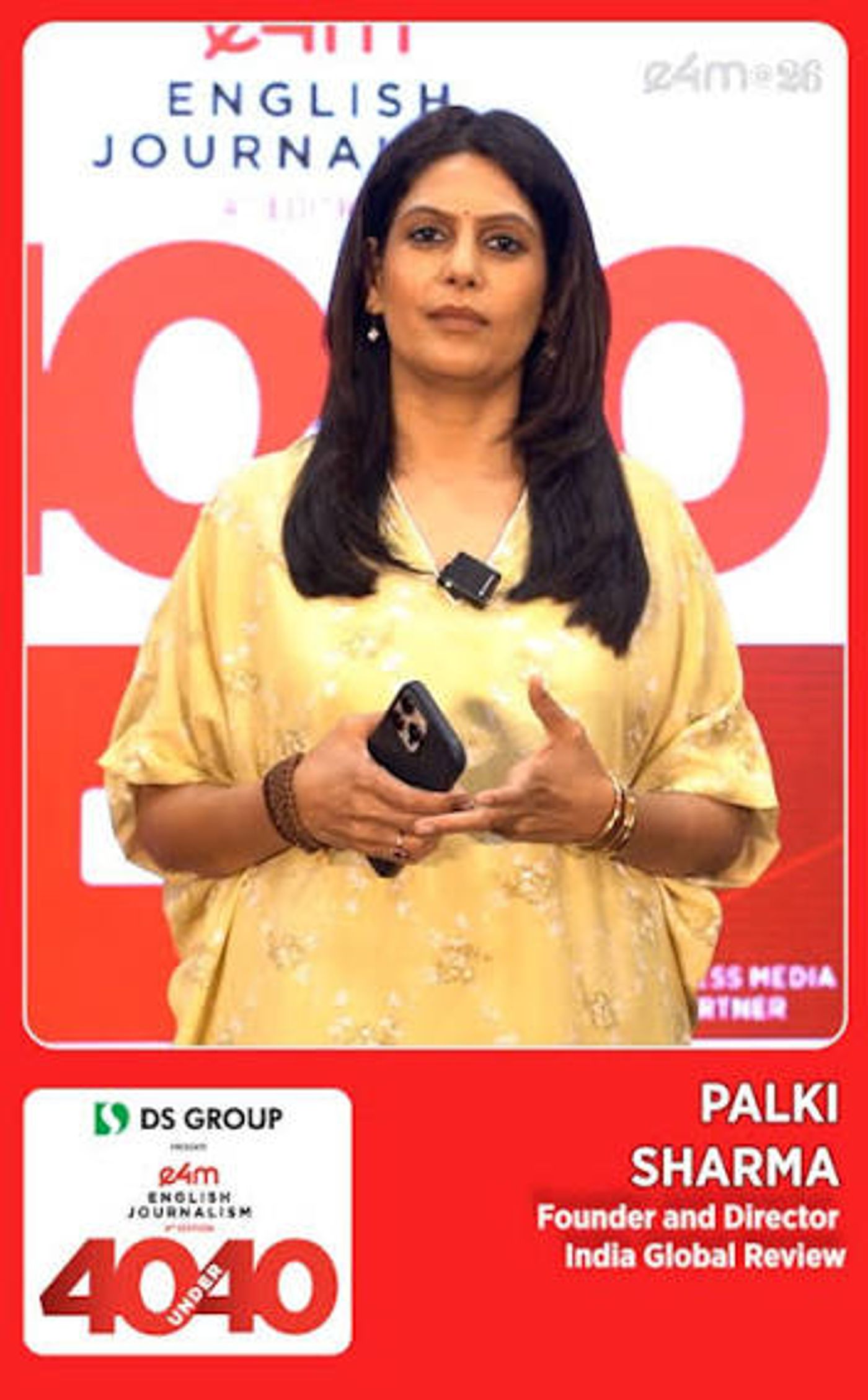
The Influence of Women Media Speakers in India
The presence and influence of women media speakers in India has become a defining feature of contemporary newsrooms, boardrooms, and public forums. In an ecosystem historically marked by male-dominated perspectives, senior women in Indian media have systematically shifted the narrative. Their voices not only diversify the range of stories that reach the audience but also determine the frameworks within which these stories are understood and debated. This shift is not simply symbolic. It reflects the changing realities of Indian workplaces, where gender diversity is now seen as integral to robust journalism, credible storytelling, and the accountability of public discourse.
As conferences and industry events play an outsized role in shaping thought leadership, the representation of women media speakers in India is both a marker of progress and a lever for further change. When these women take the stage, moderate panels, or lead editorial discussions, they challenge entrenched hierarchies and set new standards for what expertise looks like. In a country where the professional advancement of women is often constrained by societal norms and institutional barriers, their visibility sends a clear message: credible, nuanced, and impactful storytelling is possible only when informed by a diversity of lived experiences.
This list profiles ten women who have shaped Indian media from the inside out. Their work demonstrates the systemic impact of women media speakers in India, not only in the content they produce but in the cultures they foster, the policies they advocate, and the generations they mentor.
Barkha Dutt: Redefining Field Reporting in Indian Journalism
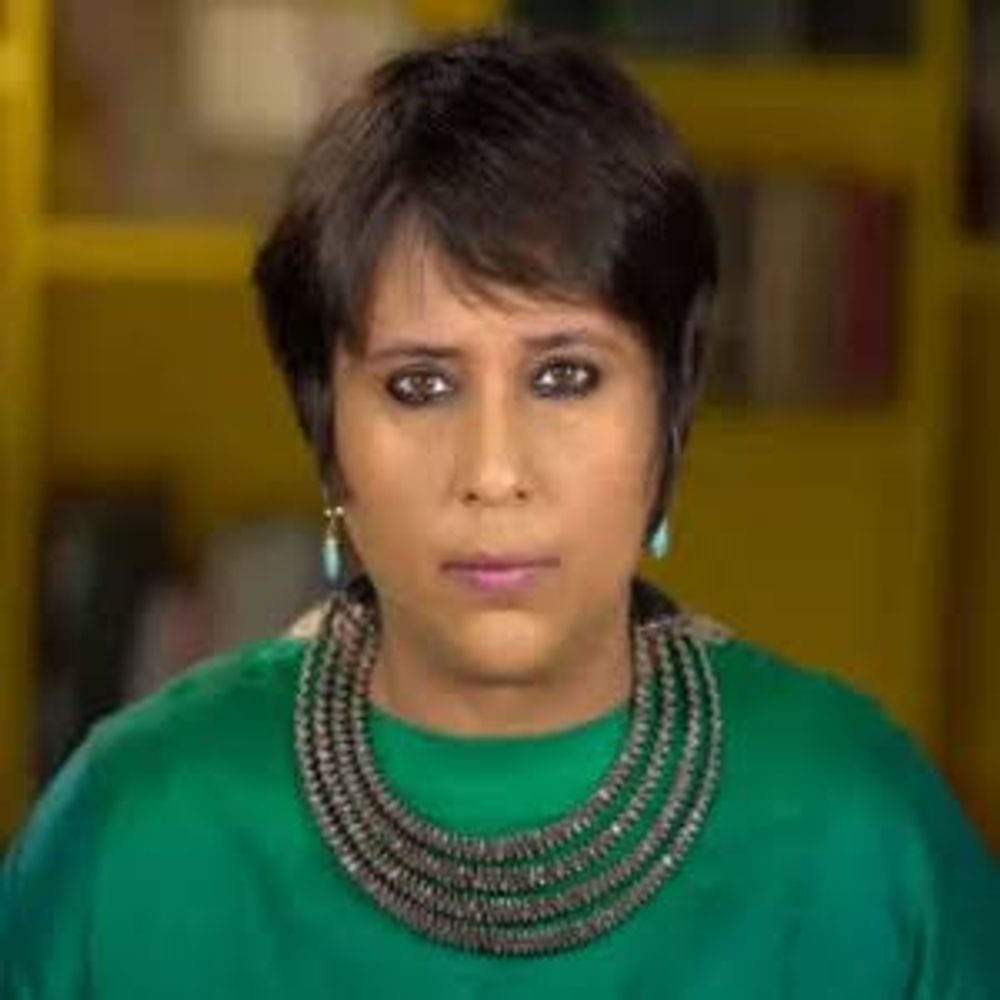
Barkha Dutt stands as one of the most recognisable women media speakers in India, known for her fearless field reporting and sharp editorial judgment. Her career, spanning over two decades, has been marked by groundbreaking coverage of conflicts, elections, and disasters. Dutt's work during the Kargil War set a new standard for on-ground reporting, demonstrating that women could not only participate in but also lead high-stakes coverage. Her approach to journalism is rooted in a commitment to amplifying underrepresented voices and questioning narratives that perpetuate power imbalances.
In the Indian newsroom culture, where field assignments were long considered the preserve of male journalists, Dutt's presence signaled a fundamental change. Her editorial leadership, first at NDTV and later through her own digital platform Mojo Story, has opened up opportunities for other women journalists to enter spaces traditionally closed to them. As a speaker at conferences, on television debates, and industry summits, Dutt consistently foregrounds the importance of ethical storytelling and the need for gender-sensitive reporting. Her body of work exemplifies the systemic influence women media speakers in India can exert on both professional standards and public expectations.
Faye D’Souza: Setting a Standard for Civic Journalism
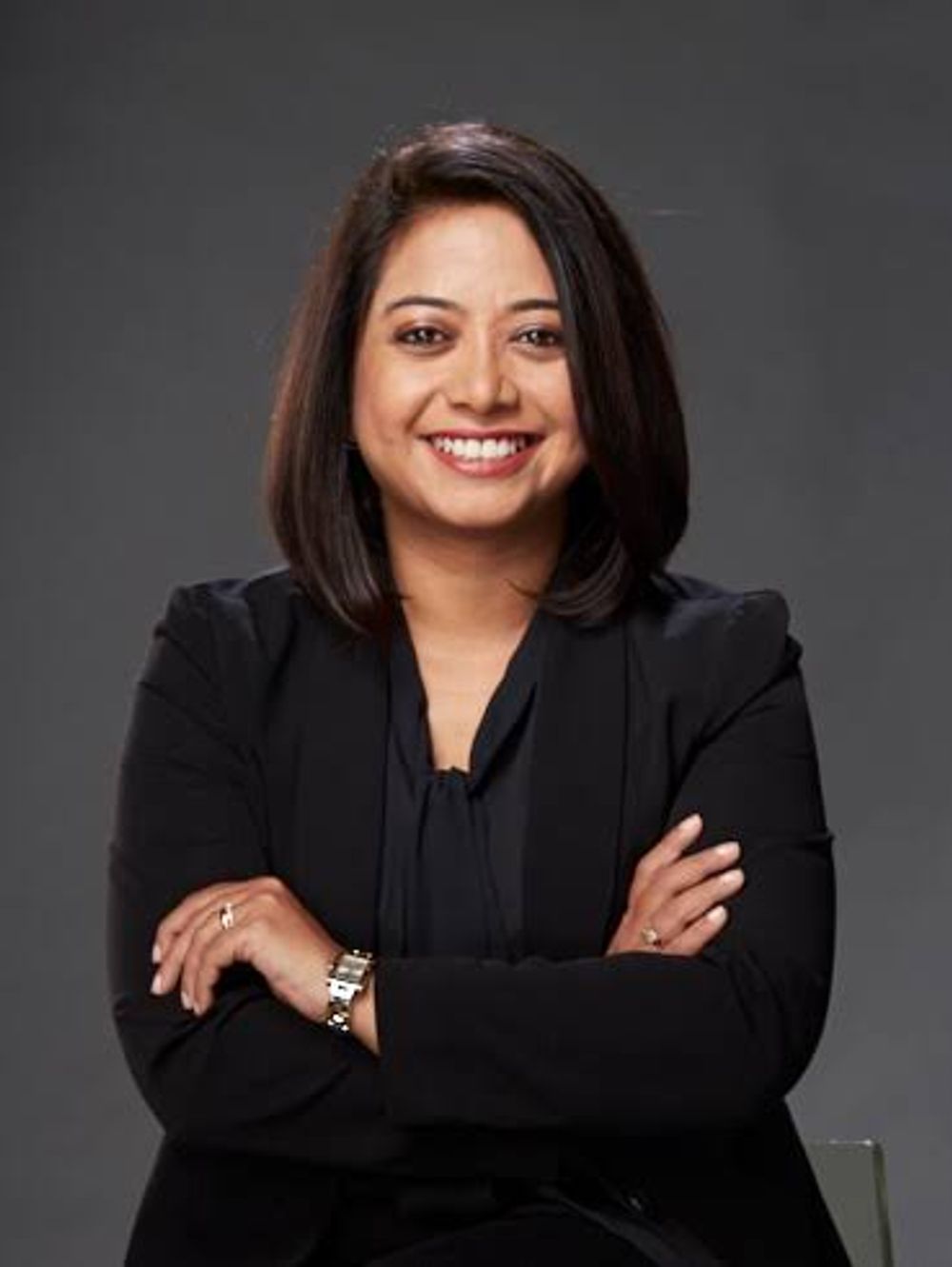
Faye D’Souza has emerged as a leading voice among women media speakers in India by centering civic issues and public interest journalism in mainstream discourse. Her tenure as the executive editor of Mirror Now and her subsequent independent work have redefined what television news can achieve when it is grounded in accountability, transparency, and citizen engagement. D’Souza’s style is marked by clarity, directness, and an insistence on holding those in power to account—a significant departure from the often sensationalist tenor of Indian television news.
D’Souza’s presence in boardrooms, editorial meetings, and conferences has contributed to a growing expectation that women media speakers in India will not merely diversify panels, but also raise the standard of discourse. She is regularly invited to moderate panels and deliver keynote addresses at industry events, where she articulates systemic issues such as media ethics, misinformation, and the importance of audience trust. D’Souza’s impact is visible not only in the stories she tells but in the editorial values she champions, which have influenced both policy and practice within Indian media organisations.
Sonia Singh: Editorial Leadership and Policy Impact
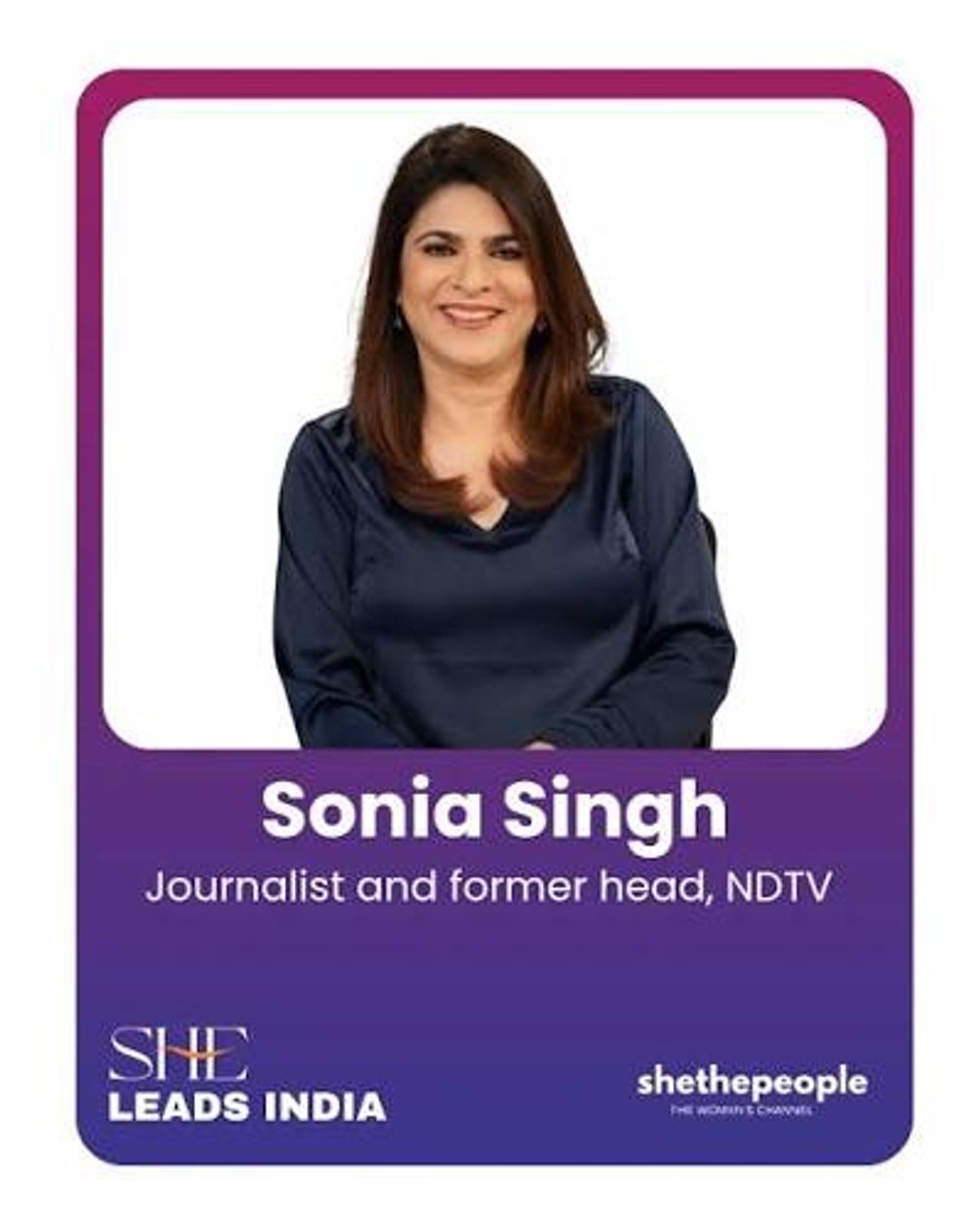
As Editorial Director at NDTV, Sonia Singh has played a decisive role in shaping the channel’s news agenda and editorial standards. Her influence extends beyond newsroom management to broader questions of media policy, gender representation, and public accountability. Singh’s career exemplifies the systemic leadership that women media speakers in India are increasingly bringing to the highest levels of news organisations.
Singh’s editorial judgment is widely respected, and her stewardship of NDTV’s news operations has resulted in coverage that is both rigorous and inclusive. She has championed stories that foreground women’s rights, social justice, and institutional reform, and has ensured that these issues receive sustained attention in the national conversation. At conferences and industry forums, Singh is known for her measured analysis and her commitment to fostering dialogue across political and ideological divides. Her leadership demonstrates how women media speakers in India are not only shaping the stories that get told, but also the institutional frameworks within which these stories are produced.
Shaili Chopra: Pioneering Digital Media for Women’s Voices
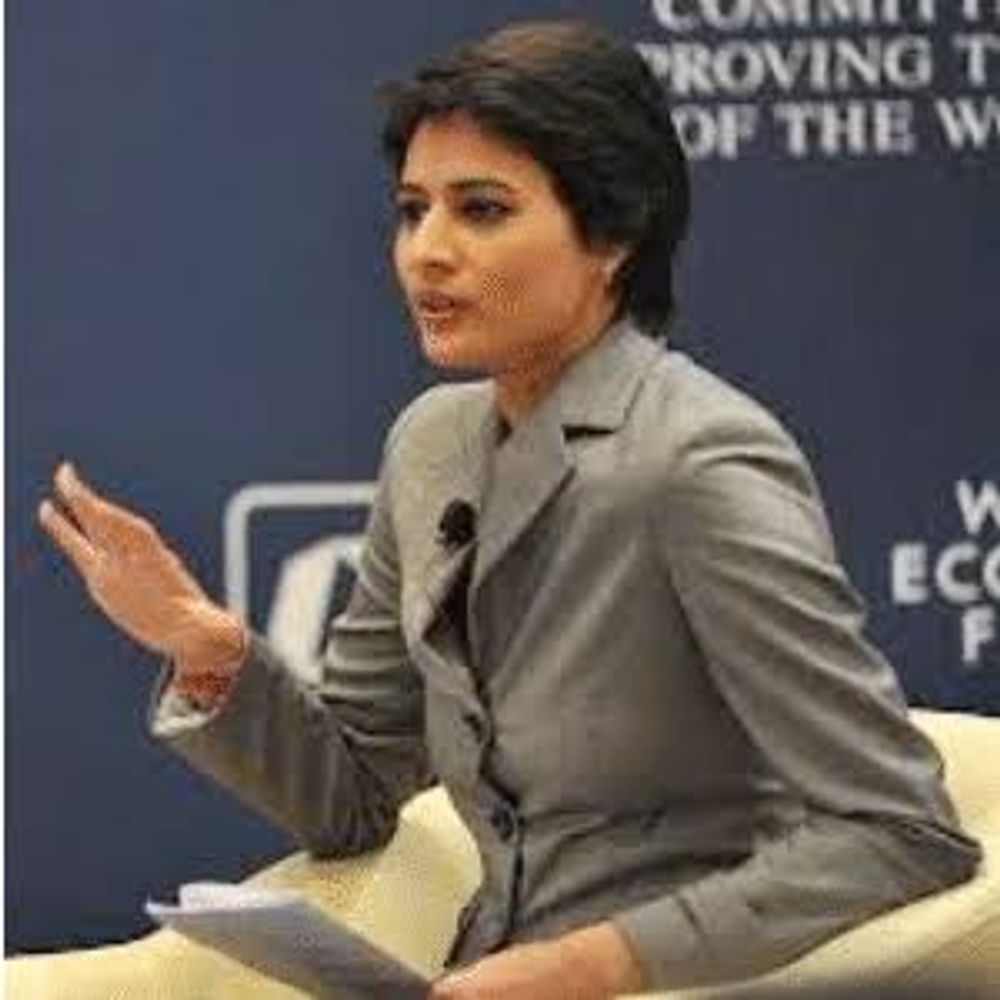
Shaili Chopra has built a distinctive legacy as a media entrepreneur, journalist, and advocate for women’s perspectives in the digital age. As the founder of SheThePeople.TV, Chopra has created a platform dedicated to amplifying women’s stories, experiences, and expertise across India. Her work is grounded in the recognition that women media speakers in India must have access to spaces where they can speak on their own terms, free from the constraints of traditional gatekeepers.
Chopra’s platform has transformed how women’s voices are sourced, presented, and valued in Indian media. By curating narratives from across the country, SheThePeople.TV has demonstrated the breadth and depth of women’s contributions to public life. Chopra is a sought-after speaker at industry events, policy roundtables, and academic conferences, where she addresses issues ranging from digital inclusion and entrepreneurship to gender bias in media representation. Her leadership exemplifies the entrepreneurial spirit and systemic vision that women media speakers in India are bringing to new media ecosystems.
Nidhi Razdan: Navigating Broadcast Journalism and Academic Influence
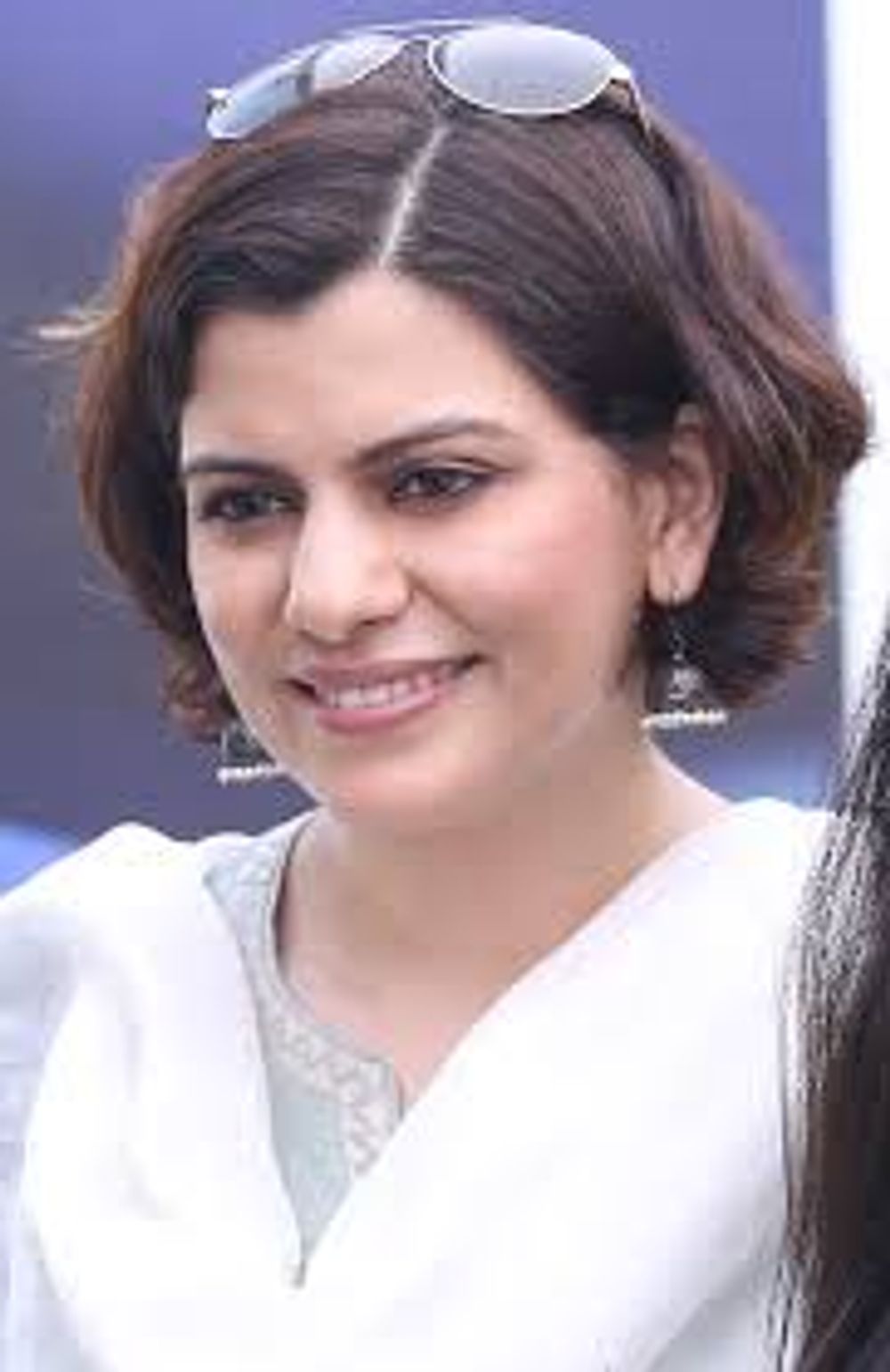
Nidhi Razdan’s career in Indian broadcast journalism has been marked by an unwavering commitment to editorial integrity and public service. As a senior anchor and editor at NDTV, Razdan specialised in political and international affairs, consistently bringing a depth of analysis and fairness to complex issues. Her transition into academia, including her work at Harvard University, reflects a broader trend among women media speakers in India to bridge practice and scholarship.
Razdan’s experiences highlight the systemic barriers and opportunities facing women in Indian media, particularly in high-visibility roles. Her public commentary, both in India and abroad, has raised critical questions about media freedom, gender equity in newsrooms, and the responsibilities of journalists in a democracy. As a speaker and educator, Razdan has influenced how emerging journalists and media professionals understand the ethics and responsibilities of storytelling. Her dual engagement with the newsroom and the classroom positions her as a key figure in shaping the future of media discourse in India.
Anubha Bhonsle: Deep-Dive Reporting and Narrative Innovation
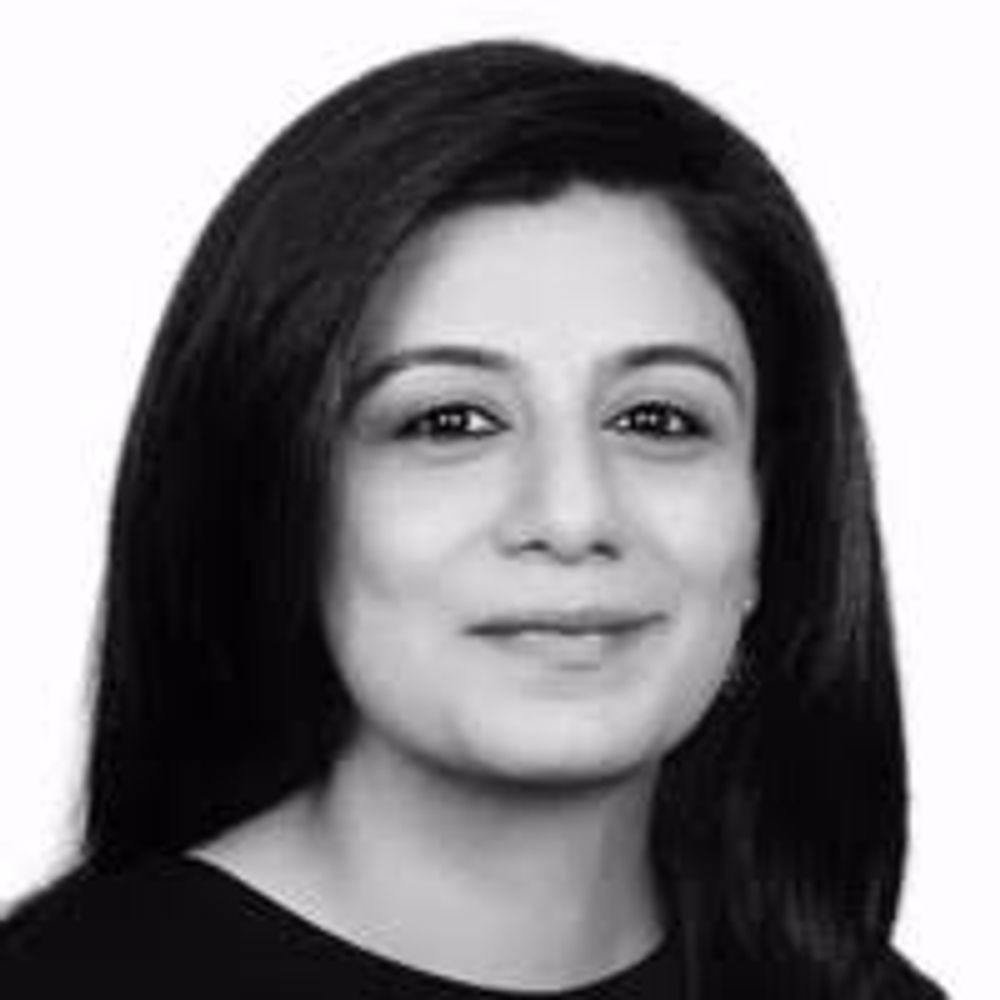
Anubha Bhonsle is renowned for her expertise in long-form journalism and narrative-driven investigative reporting. As the founder of Newsworthy and with a distinguished career at CNN-IBN, Bhonsle has demonstrated how women media speakers in India can drive innovation in both content and format. Her work is distinguished by its attention to detail, commitment to context, and the ability to humanise complex social and political issues.
Bhonsle’s approach to storytelling is rigorously evidence-based, foregrounding lived experience and systemic analysis over anecdote and spectacle. She has covered issues ranging from gender violence and electoral politics to policy reform and rural transformation, often bringing underreported stories to the national stage. Bhonsle is a regular speaker at journalism workshops, academic programs, and policy forums, where she advocates for narrative complexity and ethical rigor in media practice. Her career exemplifies how women media speakers in India are redefining what constitutes impactful journalism.
Supriya Shrinate: Bridging Business Journalism and Public Debate
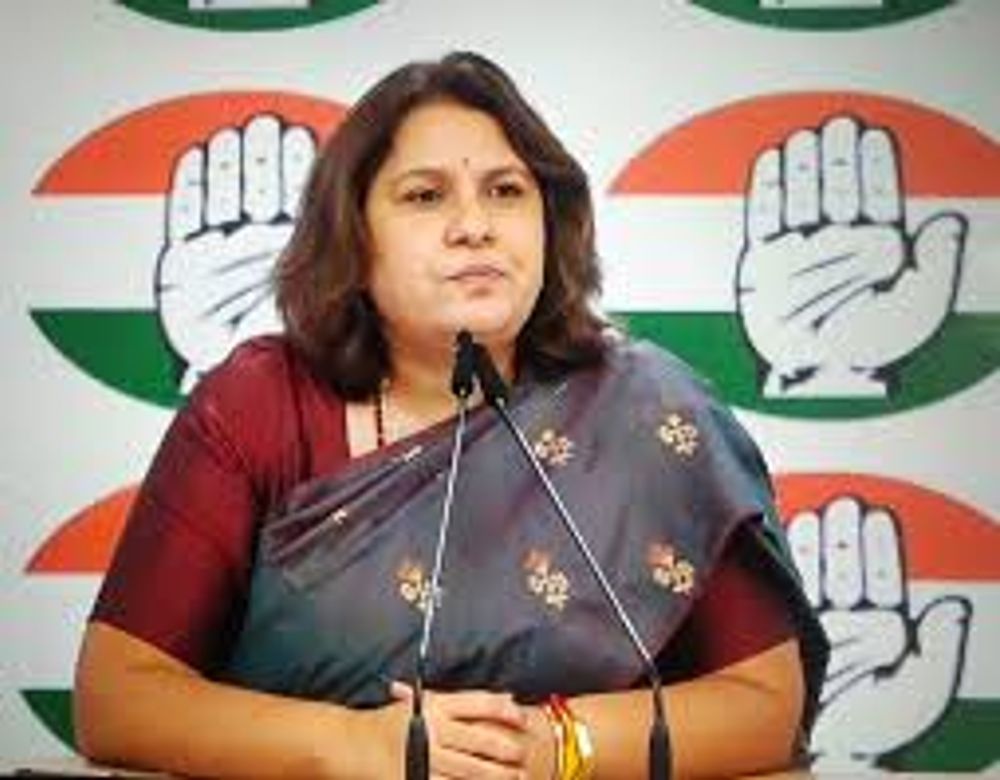
Supriya Shrinate’s career in Indian media spans roles as a senior business journalist, news anchor, and public policy commentator. Her tenure at ET Now and CNBC-TV18 established her as a credible authority on economic policy, corporate affairs, and financial regulation. Shrinate’s move into active politics has further expanded her influence, allowing her to bring a journalist’s analytical rigor to public debate and policymaking.
Shrinate’s presence at industry conferences, business summits, and policy roundtables underscores the value that women media speakers in India bring to cross-sector discourse. Her ability to translate complex economic issues for a broad audience has set a benchmark for clarity and accessibility in business journalism. Shrinate’s career demonstrates that women in Indian media can shape not only the reporting of economic stories but also the decision-making frameworks that underpin them.
Sagarika Ghose: Chronicler of Indian Democracy and Public Life
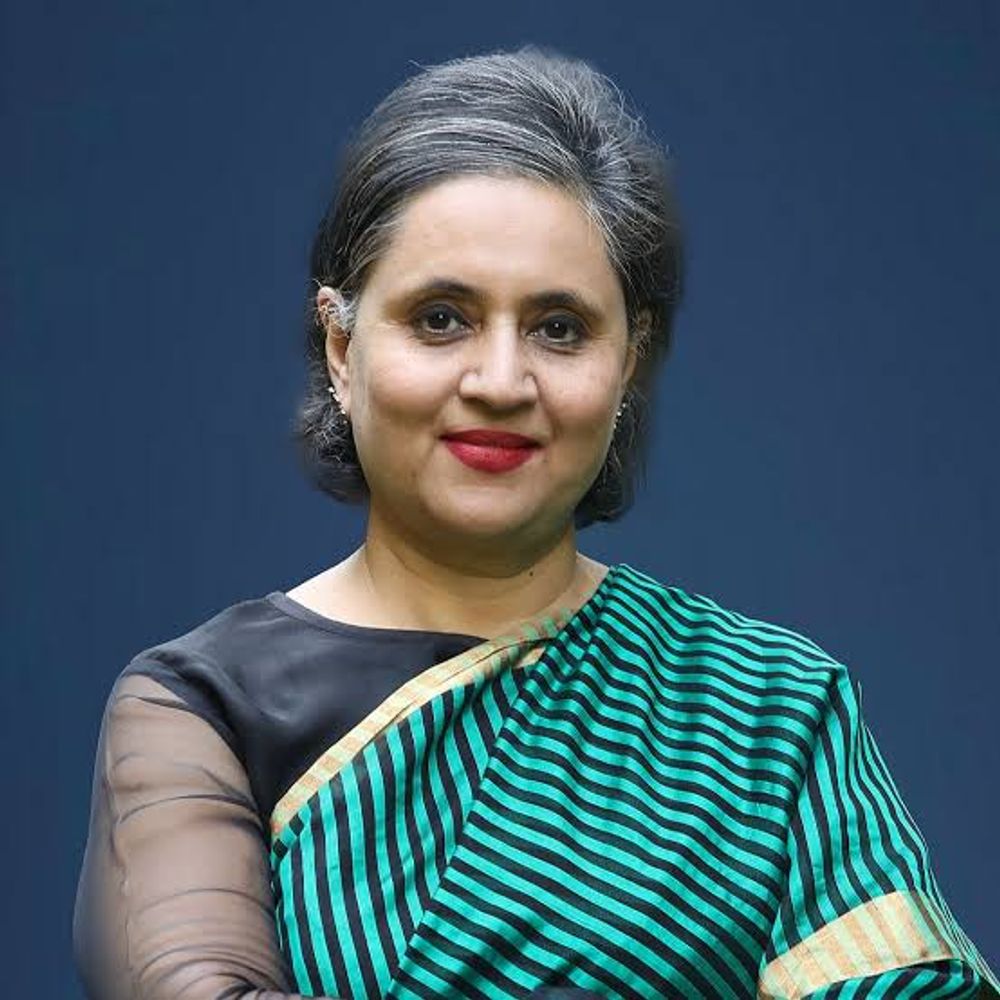
Sagarika Ghose has established herself as one of India’s most respected political analysts, authors, and television anchors. Her work traverses journalism, literature, and public affairs, with a particular focus on the dynamics of Indian democracy, the role of institutions, and the evolution of public discourse. Ghose’s long-standing presence in media has made her a central figure in debates on press freedom, gender parity, and the responsibilities of journalists in a rapidly changing society.
As a frequent speaker at literary festivals, policy forums, and academic panels, Ghose exemplifies the breadth of expertise that women media speakers in India contribute to national conversations. Her analysis is marked by historical depth, critical insight, and a commitment to democratic values. Ghose’s career reflects the capacity of women in Indian media to shape both the substance and the tone of public debate, setting standards for intellectual rigor and civic responsibility.
Anjana Om Kashyap: Redefining Prime-Time Television News
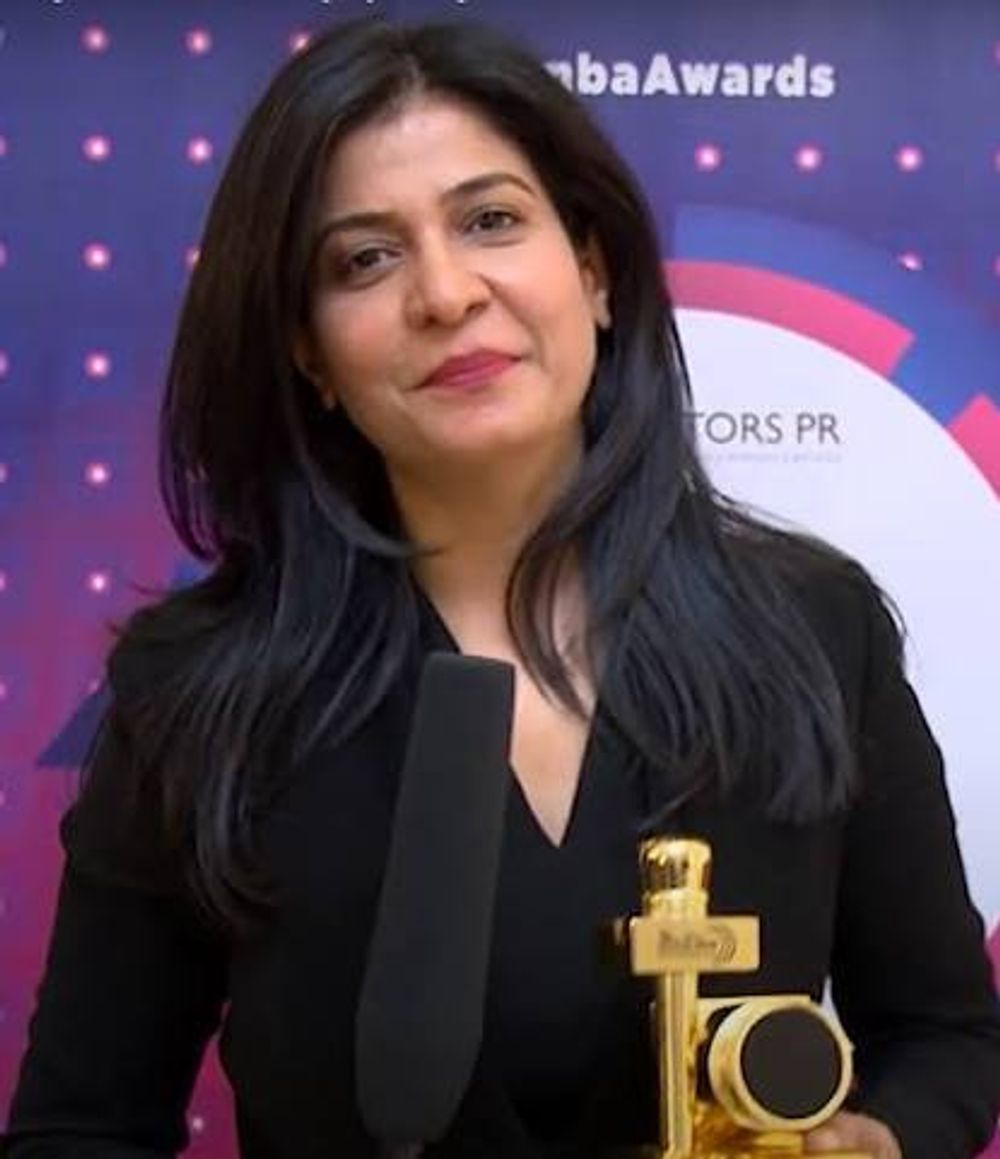
Anjana Om Kashyap occupies a prominent place in Indian television journalism as the executive editor and prime-time anchor at Aaj Tak. Her presence in a highly competitive and often polarized media environment has challenged prevailing assumptions about leadership in broadcast news. Kashyap’s approach combines assertiveness, accessibility, and a focus on issues that resonate with a mass audience.
Kashyap’s career illustrates how women media speakers in India are reshaping the conventions of television journalism, from panel moderation to investigative reporting. Her visibility on prime-time slots has made her a reference point for aspiring women journalists navigating the demands of the profession. At industry events and journalism summits, Kashyap addresses questions of credibility, public trust, and the evolving role of television in shaping political and social narratives. Her work underscores the significance of women’s leadership in setting editorial agendas and building public engagement.
Seema Chishti: Shaping Political Discourse and Editorial Integrity
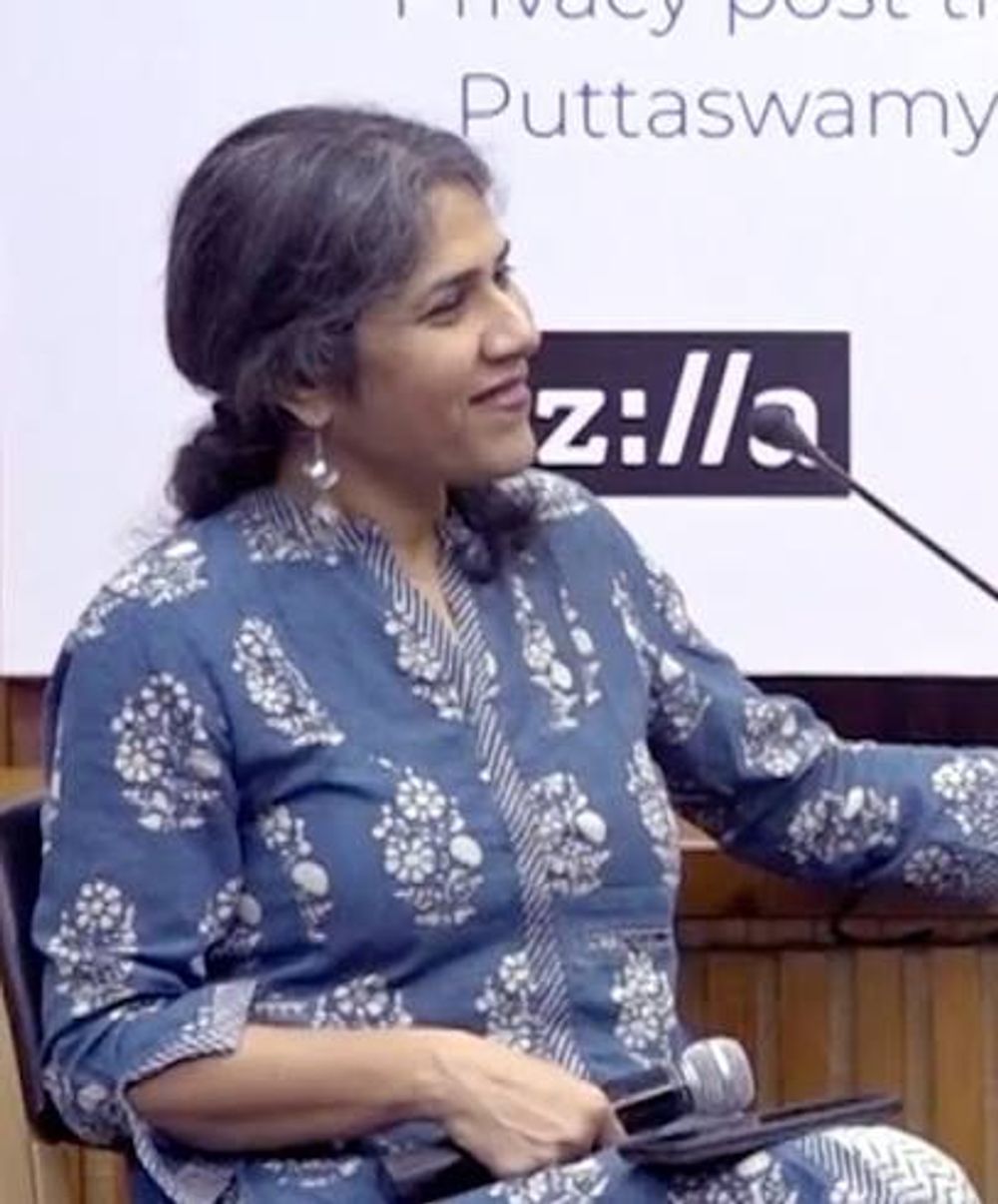
Seema Chishti has built a distinguished reputation as a political journalist, editor, and commentator. With experience at The Indian Express, BBC, and other major outlets, Chishti has consistently foregrounded issues of governance, social justice, and democratic accountability. Her editorial philosophy is marked by a commitment to fairness, contextual analysis, and the amplification of marginalised voices.
Chishti’s work as a speaker and moderator at policy conferences, media roundtables, and academic events has influenced the development of media ethics and editorial guidelines in Indian newsrooms. She has mentored numerous young journalists and has advocated for systemic change within media institutions to ensure greater diversity and rigor. Chishti’s career exemplifies the lasting impact that women media speakers in India can have on the integrity and direction of public discourse.
Conclusion: Systemic Change and the Future of Women Media Speakers in India
The cumulative impact of these ten women media speakers in India is evident in the evolving culture of Indian newsrooms, boardrooms, and public forums. Each has contributed not just as an individual expert but as a catalyst for systemic transformation. Their leadership has broadened the scope of stories that are considered newsworthy, raised the standard of public debate, and set new benchmarks for ethical and credible media practice.
As Indian professional women increasingly navigate the complexities of workplace advancement, representation, and thought leadership, the presence of credible women media speakers becomes both a practical resource and a symbol of what is possible. These leaders challenge institutional inertia, mentor the next generation, and shape the frameworks within which Indian society debates its most urgent questions.
Looking ahead, the continued visibility and influence of women media speakers in India will depend on sustained efforts to address structural barriers, expand access to platforms, and foster cultures of inclusion. The work of these ten women demonstrates not only what has been achieved, but also the ongoing necessity of making space for diverse expertise in shaping the stories India tells about itself.
Related Reading
Women podcast speakers in India