The Systemic Roots of the 'Undefined' Woman Expert in Indian Panels
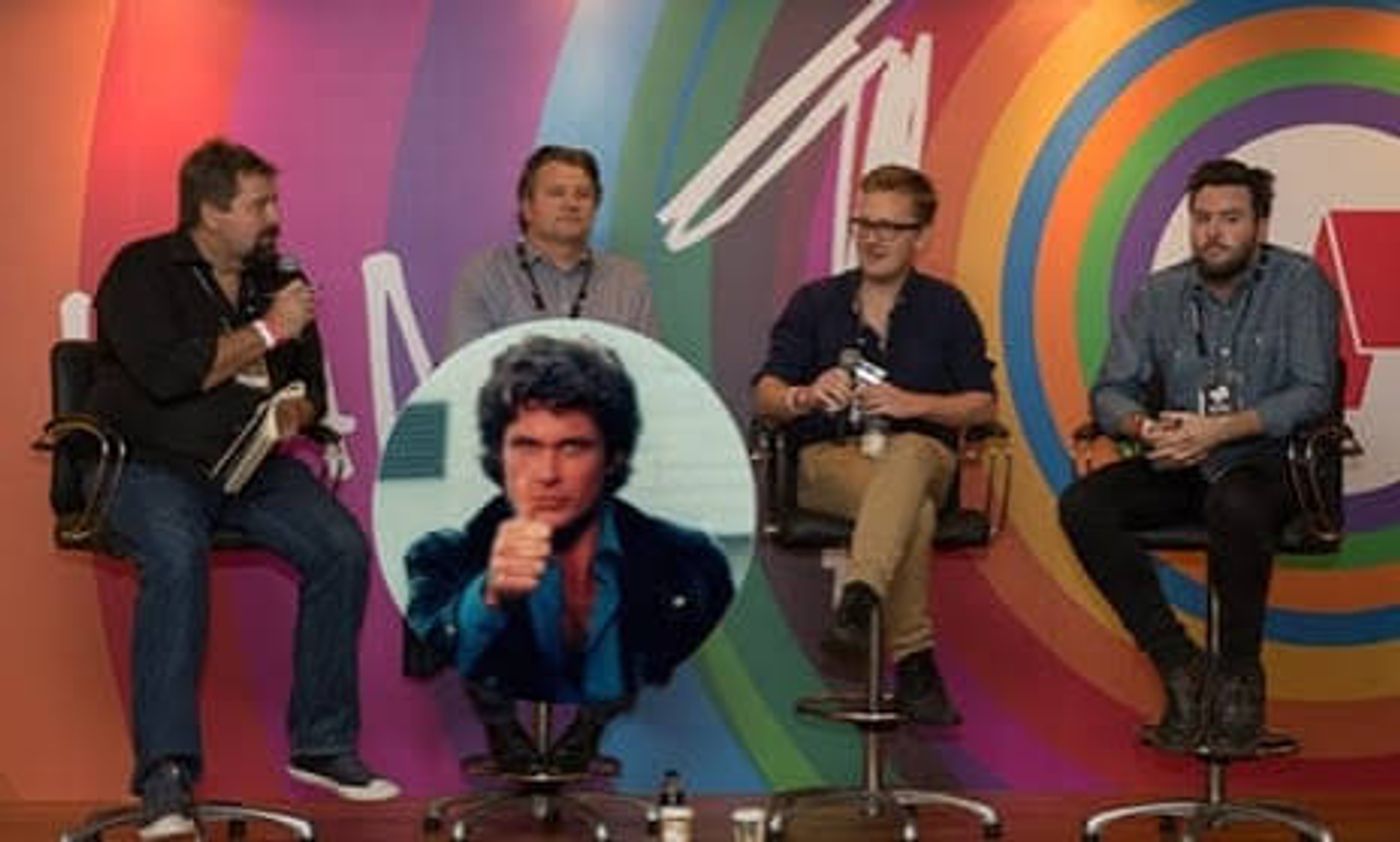
Framing the 'Undefined' Status of Women Experts in Indian Panels
The persistent absence of women on Indian panels—commonly called 'manels'—has become a recurring point of frustration for professional women across sectors. These all-male platforms are not just a reflection of individual oversight but are rooted in systemic dynamics that render women experts undefined and invisible. The metaphor of 'undefined', a term borrowed from programming in which a variable exists but lacks assigned value, is apt. Indian panels often recognise the existence of women professionals, yet fail to assign them the value or visibility that their expertise warrants.
In the Indian context, this undefined status is reinforced by the habitual reliance on male-dominated networks, legacy hierarchies, and the routinised logistics of conference culture. The result is not just the absence of women from the stage, but a broader message about whose knowledge is seen as authoritative. This is not an issue of supply: Indian boardrooms, academia, and the creative sectors are home to a growing number of senior women with credible expertise. The issue is that event organisers, moderators, and institutions continue to default to familiar male names, leaving women experts undefined in the public mind.
Systemic Underpinnings: How Event Culture Assigns or Withholds Value
The default status of women as undefined in Indian panels is a product of layered systemic forces. Panel curation in India is often a closed loop, heavily reliant on existing networks rather than deliberate search for diverse expertise. Just as in JavaScript, where the undefined property indicates a variable 'has not been assigned a value, or not declared at all' (as explained by W3Schools), panels can acknowledge the existence of women in theory but fail to assign them a seat, a voice, or even a name. This is less about merit and more about inertia and risk aversion within the professional event ecosystem.
The practice of defining who is an 'expert' is also shaped by who is visible in previous events, who is recommended within networks, and who is presumed to be authoritative. This recursive cycle ensures that women, especially those without legacy connections, remain on the periphery regardless of their qualifications. As detailed on web.dev, undefined is the default property of the global object in programming. Similarly, in Indian professional culture, undefined is the default status for women unless an explicit, intentional effort is made to change it.
Furthermore, the business case for gender diversity on panels is well established, yet implementation is lagging. The undefined status is not a passive absence but an active outcome of choices made by organisers, sponsors, and institutions. This dynamic is compounded by logistical shortcuts—such as last-minute speaker confirmations or informal vetting processes—that rarely prioritise gender representation.
Redefining Value: Toward Deliberate Inclusion of Women Experts
Changing the undefined status of women experts on Indian panels requires a recalibration of both process and mindset. Event organisers must move beyond surface-level recognition of the gender gap and adopt intentional strategies to identify, reach out to, and platform women experts. This involves expanding the search beyond the usual suspects, using curated databases, and setting explicit representation targets.
Setting value for a variable in programming gives it meaning and function. Similarly, assigning value to women experts by inviting them to panels, promoting their expertise, and recognising their leadership is not a symbolic gesture but a substantive intervention in public discourse. Platforms like Draupadi on the Dais are designed precisely to facilitate this process, reducing the friction between recognising expertise and giving it visibility.
A systemic shift demands accountability at every stage of event planning—from the initial brainstorming to the final publicity. It also requires a cultural shift in how expertise is defined and legitimised in Indian professional spaces. Until the default changes from undefined to defined, the knowledge and perspectives of women will remain sidelined in the country’s most visible conversations.
Sources
Frequently Asked Questions
Why are women experts often missing from Indian panels?
Women experts are frequently missing from Indian panels due to systemic reliance on male-dominated networks, habitual event planning practices, and legacy hierarchies that overlook or undervalue women’s expertise. This is not because of a lack of qualified women, but because of ingrained processes that fail to actively seek and platform them.
What does 'undefined woman expert' mean in this context?
'Undefined woman expert' refers to the tendency of Indian panels to acknowledge the existence of women professionals but fail to assign them visibility or authority in public forums. Like the programming term 'undefined', these experts exist but are not given a clear or valued role.
How can event organisers improve gender representation on panels?
Event organisers can improve gender representation by actively searching for women experts using curated databases, setting clear representation targets, and making deliberate efforts to include diverse voices. This requires moving beyond default networks and routines to create equitable platforms.
Is the absence of women from panels related to expertise or systemic issues?
The absence is primarily a result of systemic issues, not a lack of expertise. Indian workplaces have many qualified women experts, but event culture and professional networks often default to male speakers, perpetuating the cycle of exclusion.