8 Women in Manufacturing and Supply Chain Redefining the Shop Floor
Introduction: Women Manufacturing Speakers India Needs Now
The manufacturing and supply chain sectors in India are often characterized by their scale, complexity, and a long-standing gender imbalance at leadership levels. Despite representing a sizeable share of the country’s economic output and employment, these sectors have traditionally lacked visible female leadership. Yet, the landscape is changing. Today, women manufacturing speakers India recognises are bringing nuanced perspectives and systemic insight to the fore, influencing not just strategic direction but also operational cultures. Their presence at industry events, on policy panels, and in boardrooms is not just symbolic; it is shaping the agenda for more inclusive, resilient, and innovative manufacturing ecosystems.
For Indian professional women navigating careers in manufacturing, seeing credible female voices on the dais is both an affirmation of possibility and a call for deeper engagement. These speakers do more than narrate personal journeys; they articulate context-specific solutions, address regulatory and workforce realities, and set new standards for what effective leadership looks like on the Indian shop floor. Conference organisers and business leaders increasingly seek such voices for their ability to frame systemic issues and offer grounded strategies, not just inspirational soundbites. The following profiles of eight senior women in Indian manufacturing and supply chain illustrate the range, depth, and impact of these leaders.
Sangeeta Prasad: Building Sustainable Manufacturing Ecosystems

Sangeeta Prasad’s leadership in the Indian manufacturing sector is defined by her ability to drive large-scale transformation with a focus on sustainability and operational excellence. As a seasoned executive with extensive experience at Mahindra Lifespace Developers and as CEO of Mahindra World City, Prasad has been instrumental in integrating sustainable practices into the core business strategy of industrial clusters. Her approach to manufacturing goes beyond compliance, positioning sustainability as a critical driver of competitiveness and resilience in the Indian context.
At industry conferences and boardroom discussions, Prasad’s voice stands out for its clarity and grounded perspective. She addresses the challenges of balancing rapid industrial growth with environmental stewardship, a topic that resonates strongly in India’s regulatory landscape. Her insights into workforce skilling, green supply chains, and the integration of technology for resource efficiency are particularly relevant for manufacturers seeking to future-proof their operations. As one of the women manufacturing speakers India’s industry forums consistently invite, Prasad’s systemic framing of sustainability has influenced both policy and practice. Her ability to connect macro-level trends with shop floor realities makes her a sought-after expert for audiences looking to move beyond rhetoric towards actionable change.
Kalpana Saroj: Transforming Industrial Enterprises from the Ground Up

Kalpana Saroj’s journey from challenging beginnings to the helm of Kamani Tubes is a powerful narrative of resilience and enterprise. However, her impact in Indian manufacturing extends far beyond personal achievement. Saroj’s leadership style is rooted in hands-on transformation, financial restructuring, and workforce development. Under her stewardship, Kamani Tubes has evolved from a struggling entity to a profitable and socially conscious industrial enterprise, with a renewed focus on the dignity and safety of shop floor workers.
Saroj’s presence at manufacturing and supply chain conferences brings credibility to the discussion around inclusive growth and ethical leadership. She addresses concrete issues such as labour relations, regulatory compliance, and the importance of community engagement in industrial areas. Her commentary is particularly salient for Indian audiences, where the realities of informal labour, union negotiations, and legacy operational challenges are ever-present. As one of the prominent women manufacturing speakers India listens to for practical wisdom, Saroj’s trajectory illustrates how systemic change can be achieved incrementally, with a sharp focus on both operational discipline and human capital.
Dr. Nita Patel: Engineering Innovation on the Shop Floor

Dr. Nita Patel is a recognised authority in the field of engineering and advanced manufacturing, with a career that bridges academia, research, and industry practice. Her tenure as a leader at Honeywell Technology Solutions and her ongoing work in STEM advocacy underscore her commitment to integrating scientific research with industrial application. Dr. Patel’s expertise in automation, digital transformation, and quality systems has direct relevance for Indian manufacturers navigating Industry 4.0 transitions.
In her speaking engagements, Dr. Patel is known for translating complex technological concepts into actionable strategies for shop floor leaders. She addresses the systemic barriers to technology adoption in Indian manufacturing, including legacy infrastructure, workforce upskilling, and the challenge of integrating digital tools in cost-sensitive environments. Her sessions at industry forums are characterised by data-driven analysis and a pragmatic understanding of the Indian manufacturing context. As one of the women manufacturing speakers India’s technology conferences consistently feature, Dr. Patel’s contributions are shaping the national conversation on engineering innovation and future-ready manufacturing.
Rachna Panda: Integrating ESG Principles in Indian Supply Chains
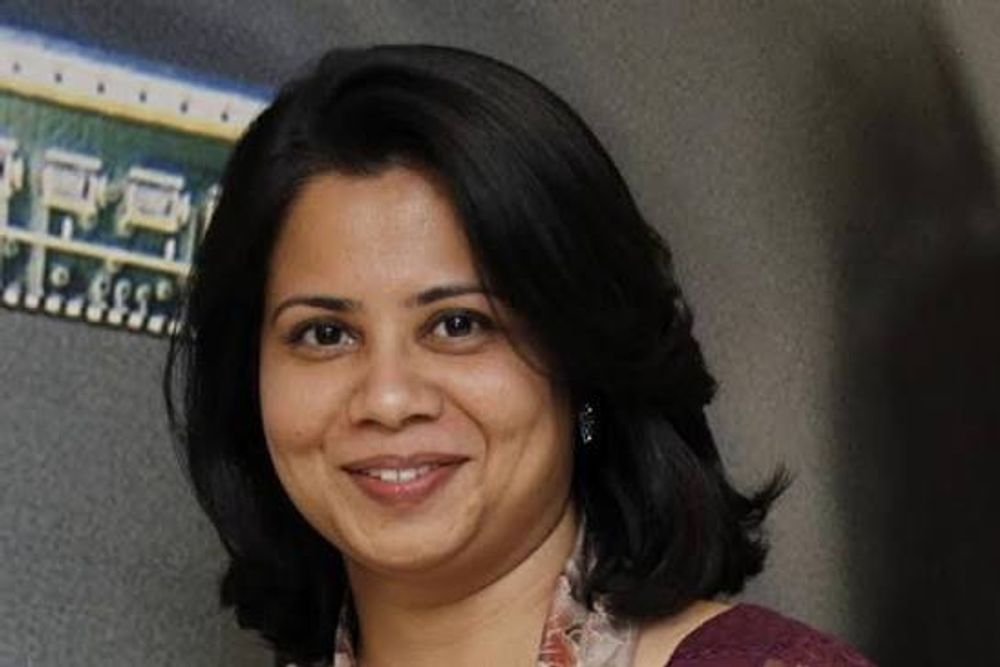
Rachna Panda’s leadership in the supply chain domain is defined by her expertise in embedding ESG (Environmental, Social, and Governance) principles into core business operations. As the Chief Sustainability Officer and Head of Corporate Affairs at Bayer South Asia, Panda has a deep understanding of the complexities facing Indian supply chains, from compliance with global standards to navigating local regulatory frameworks. Her approach emphasises the operationalisation of ESG mandates in ways that are contextually relevant and economically viable for Indian businesses.
Panda’s participation in industry events and policy panels is notable for her ability to connect high-level ESG frameworks with the day-to-day realities of procurement, logistics, and supplier management. She articulates the systemic shifts required for Indian companies to compete in global markets while meeting stakeholder expectations on sustainability and ethics. Her thought leadership is frequently sought by conference organisers aiming to deepen the conversation around responsible supply chains. As one of the leading women manufacturing speakers India’s sustainability circles trust, Panda’s insights help bridge the gap between policy intent and operational execution, especially for companies at the intersection of agriculture, chemicals, and manufacturing.
Dr. Neelam Singh: Advocating for Shop Floor Safety and Labour Inclusion

Dr. Neelam Singh’s work in occupational health and safety has positioned her as a leading voice on shop floor safety and inclusive labour practices in the Indian manufacturing sector. With a background in public health and extensive experience consulting for large manufacturing firms, Dr. Singh’s interventions focus on the systemic drivers of workplace accidents, gendered risks, and the implementation of robust safety protocols. Her research and advocacy have influenced both regulatory standards and organisational policies across multiple states.
Dr. Singh’s contributions as a speaker are grounded in data and field experience. She addresses the persistent challenges Indian manufacturers face in ensuring compliance with health and safety standards, particularly in labour-intensive subsectors. Her emphasis on gender-responsive safety measures speaks directly to the realities of Indian shop floors, where women often face unique risks that are overlooked in policy and practice. As one of the women manufacturing speakers India’s occupational health forums rely on, Dr. Singh offers practical solutions for creating safer, more inclusive workplaces, making her expertise indispensable for both operational leaders and policymakers.
Meenakshi Nevatia: Shaping Digital Supply Chain Transformation
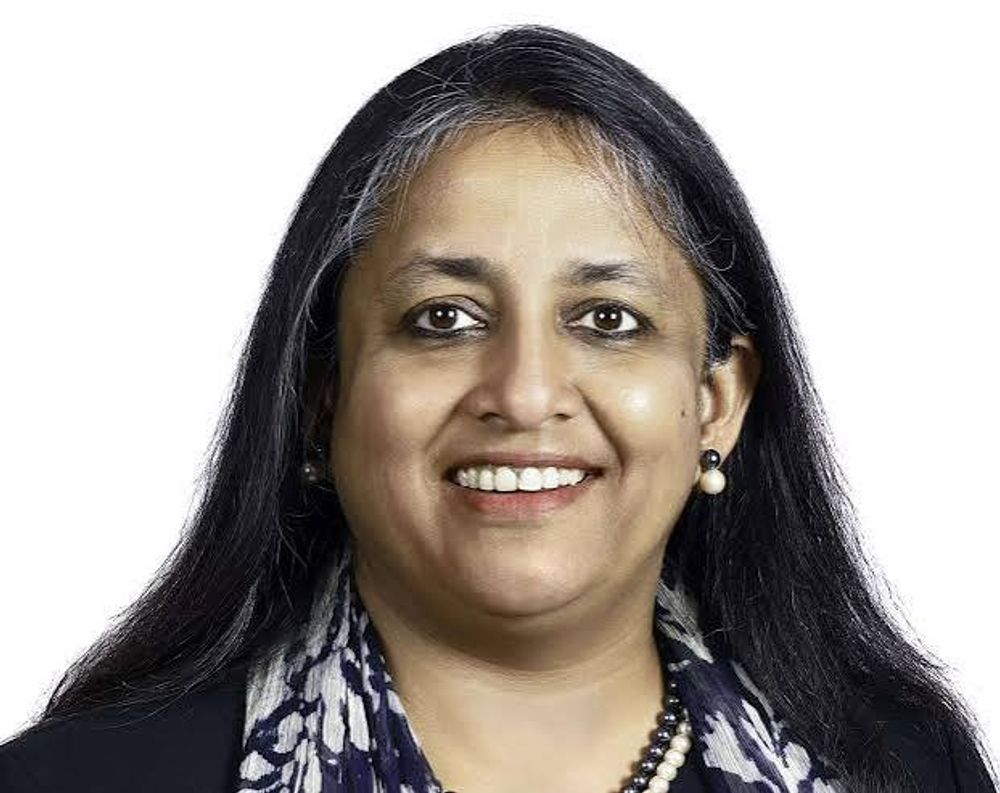
Meenakshi Nevatia’s leadership in digital supply chain management is informed by her extensive experience across multinational and Indian enterprises. As the Managing Director of Pfizer India, Nevatia has overseen large-scale digital transformation projects that have redefined supply chain agility, visibility, and resilience in highly regulated sectors. Her expertise spans the integration of advanced analytics, automation, and cloud-based systems, with a nuanced understanding of the operational realities facing Indian manufacturers.
At industry forums and executive summits, Nevatia is recognised for her systemic approach to digital transformation. She addresses the interplay between technology adoption, regulatory compliance, and workforce capability in the Indian context. Nevatia’s commentary highlights the need for tailored digital strategies that account for legacy systems, regional diversity, and the pace of infrastructure development. As one of the women manufacturing speakers India’s digital transformation events consistently feature, Nevatia’s insights are shaping how Indian supply chains can leverage technology for competitive advantage while navigating complex market and policy environments.
Priya Nair: Driving Operational Excellence in Fast-Moving Consumer Goods Manufacturing
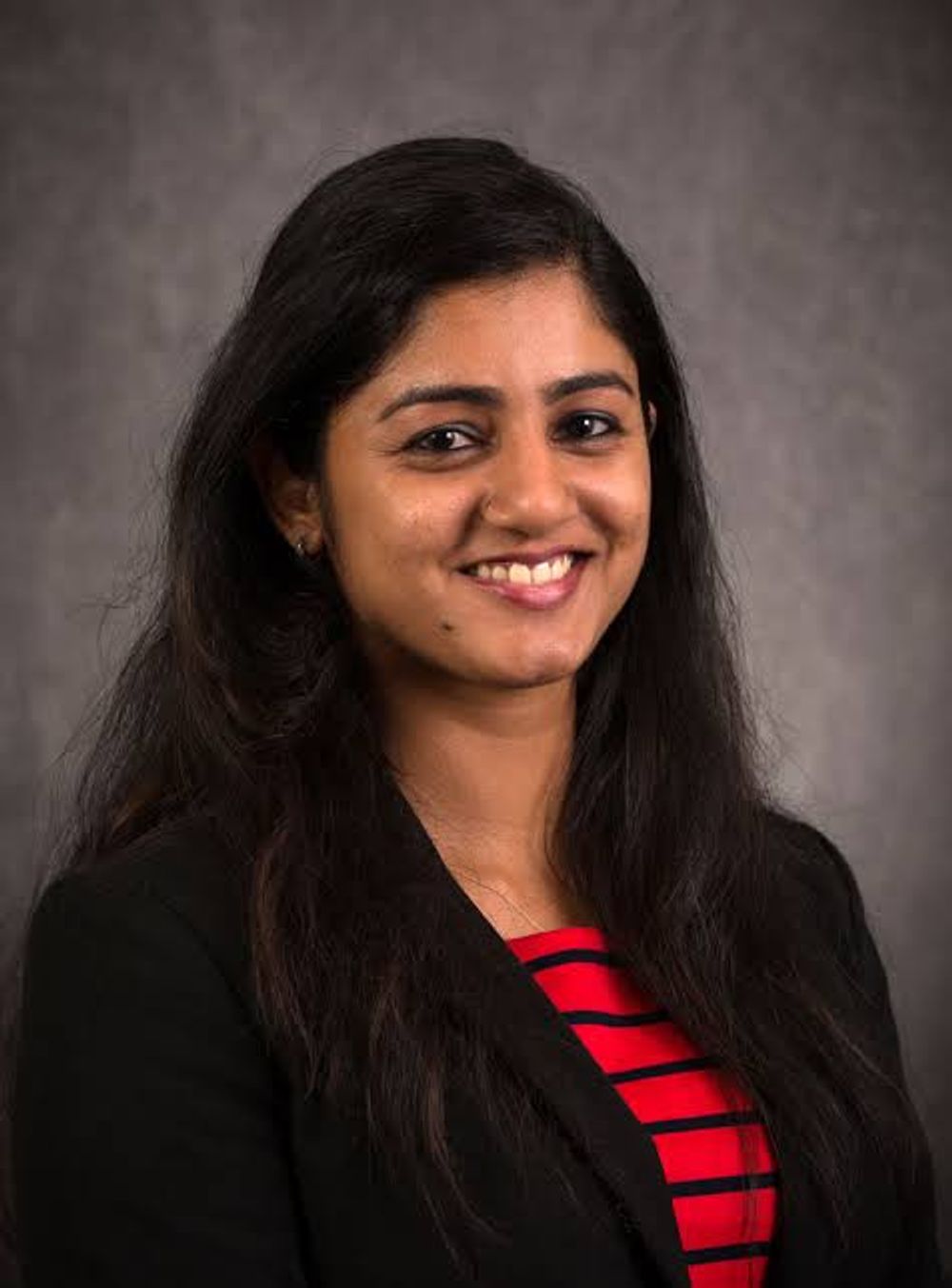
Priya Nair’s impact in the fast-moving consumer goods (FMCG) sector is rooted in her ability to drive operational excellence at scale. As the Chief Marketing Officer at Hindustan Unilever Limited (HUL), Nair has played a pivotal role in aligning manufacturing operations with market demands, consumer trends, and sustainability imperatives. Her leadership has been instrumental in orchestrating complex supply chain networks that deliver consistency, efficiency, and agility across one of India’s largest product portfolios.
Nair’s expertise is sought after at manufacturing and supply chain conferences for her holistic view of operational transformation. She addresses key themes such as agile manufacturing, end-to-end supply chain integration, and the role of data and analytics in driving continuous improvement. Nair’s presentations are noted for their practical relevance to Indian FMCG manufacturers, who face unique challenges in scale, distribution, and regulatory oversight. As one of the women manufacturing speakers India’s consumer goods industry looks up to, Nair sets a benchmark for operational leadership that is both market-driven and systemically robust.
Dr. Smita Pande: Leveraging Advanced Materials for Competitive Manufacturing
Dr. Smita Pande’s contributions to the field of material science and advanced manufacturing have positioned her as a thought leader on leveraging new materials for industrial competitiveness. With a career spanning research institutions and manufacturing enterprises, Dr. Pande’s work focuses on the application of advanced polymers, composites, and sustainable materials in Indian industries ranging from automotive to electronics. Her expertise is especially relevant as Indian manufacturers seek to balance cost, quality, and environmental responsibility in increasingly competitive markets.
As a speaker, Dr. Pande is known for her ability to translate scientific advancements into strategic business decisions. She addresses the practicalities of material adoption in Indian manufacturing, including supply chain integration, quality assurance, and regulatory compliance. Dr. Pande’s insights are particularly valuable for companies aiming to participate in global value chains, where material innovation is a key differentiator. As one of the women manufacturing speakers India’s engineering and R&D forums feature, Dr. Pande’s systemic perspective bridges the gap between laboratory innovation and shop floor execution, providing actionable guidance for both technical and business leaders.
Conclusion: The Systemic Impact of Women Manufacturing Speakers India Recognises
The growing visibility and influence of women manufacturing speakers India calls upon at industry events, policy panels, and boardrooms is not an isolated phenomenon. It is the result of sustained effort, systemic change, and a recognition that diverse leadership is essential for the future of Indian manufacturing and supply chains. The eight leaders profiled here exemplify the breadth of expertise, depth of experience, and grounded vision that credible senior women bring to the sector.
Their contributions are not limited to inspirational narratives. Instead, they frame and address the structural challenges facing Indian manufacturers, from sustainability and safety to technology adoption and operational agility. Their presence on the dais signals to Indian professional women, conference organisers, and industrial leaders alike that the conversation on manufacturing excellence is richer and more relevant when it includes their voices. As the sector continues to evolve, the insights and leadership of these women will remain critical to shaping a more inclusive, resilient, and innovative industrial landscape in India.
Related Reading
Women podcast speakers in India