9 Women Building India's EdTech Sector Who Also Speak
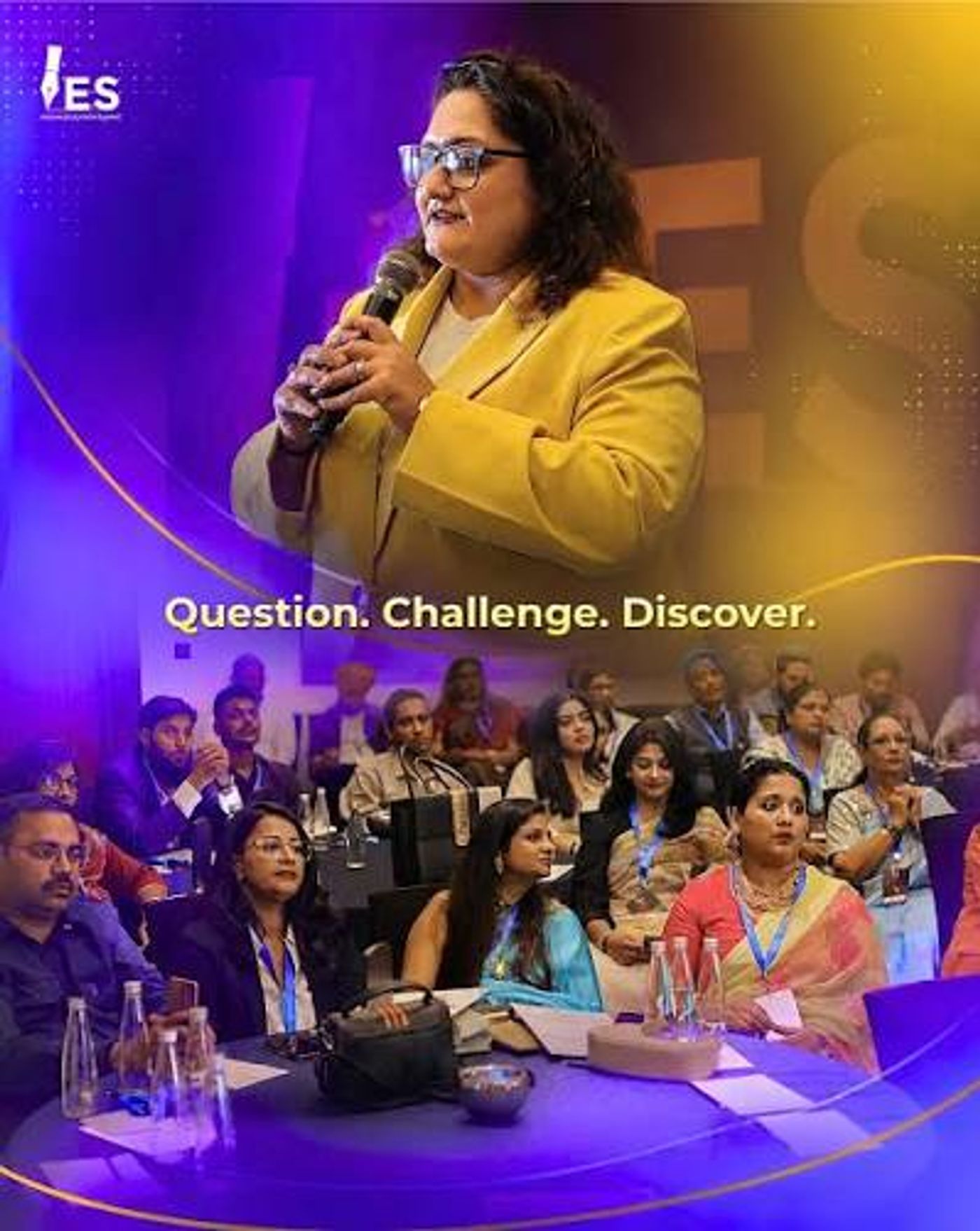
Women EdTech Speakers India: Shaping Conversations and Driving Change
The Indian EdTech sector is one of the fastest-growing in the world, with investments and innovations transforming how education is accessed and delivered. Central to this evolution are women EdTech speakers India recognises for their dual impact — not only as founders, technologists, and strategists, but as public intellectuals shaping the narrative at conferences, panels, and corporate events. These women are credible, visible, and comfortable in the spotlight, navigating the realities of Indian boardrooms and event culture with informed authority. For professional women in India, their presence is not just aspirational; it is essential for building a sector that reflects the country's diverse talent and lived experience.
In Indian workplaces, conference line-ups and board discussions have historically skewed male and metropolitan. However, the visibility of women EdTech speakers India is changing this dynamic. These leaders are routinely called upon to speak at industry summits, policy roundtables, and global EdTech gatherings. Their expertise, honed in Indian startup environments and established institutions alike, grounds their commentary in the practical challenges and opportunities of the Indian market. This list profiles nine such women who are actively building India’s EdTech landscape and shaping its public discourse.
Divya Gokulnath: The Public Face of BYJU’S and a Consistent EdTech Speaker

Divya Gokulnath stands as one of the most recognised women EdTech speakers India has produced. As co-founder and director of BYJU’S, Divya has played a pivotal role in scaling the company from a small test prep startup to the country’s largest EdTech unicorn. Her public persona is defined by her ability to translate complex education technology concepts into accessible narratives for parents, educators, and investors alike.
Divya’s presence is prominent not only in BYJU’S marketing campaigns but also in industry events where she addresses themes of digital learning, personalised education, and the future of schooling in India. She is a regular speaker at national and international EdTech conferences, including the ASU+GSV Summit and the Indian Education Congress. Her commentary is deeply informed by her experience navigating regulatory environments, building large-scale product teams, and addressing the nuances of the Indian education market. In media interviews and on stage, she consistently highlights the need for scalable, affordable, and effective technology solutions that serve India’s diverse student population.
Within Indian boardrooms, Divya is known for her clarity and evidence-based approach. Her interventions often encourage greater collaboration between the private sector, government, and academic institutions. In a professional landscape where women’s voices are still underrepresented, Divya’s visibility and consistency as an EdTech speaker set an important precedent for others in the sector.
Upasana Makati: Inclusive EdTech and Accessible Learning Advocacy

Upasana Makati is the founder of White Print, India’s first English lifestyle magazine in Braille, and has emerged as a strong advocate for inclusive EdTech solutions. She is one of the few women EdTech speakers India regularly hears from on the intersection of disability, technology, and education. Upasana’s work highlights the gaps in accessibility that persist even as the EdTech sector grows, and she brings this critical perspective to every platform she joins.
Her speaking engagements span education technology conferences, inclusion summits, and corporate leadership forums. She is known for framing accessibility not as a charitable add-on but as a business and policy imperative. Upasana often addresses the practicalities of building EdTech platforms that serve users with diverse needs, sharing lessons from her experience in product design, user testing, and content creation for the visually impaired. She grounds her arguments in the lived realities of both urban and rural learners, challenging event organisers and policymakers to rethink what true inclusion looks like.
Upasana’s approach is systematic and data-driven, focusing on the structural changes required in Indian workplaces and EdTech companies. Her ability to communicate the urgency of accessible learning, while offering pragmatic pathways for change, makes her a valued voice at both national and global stages.
Prerna Jhunjhunwala: Early Childhood Learning and EdTech Entrepreneurship
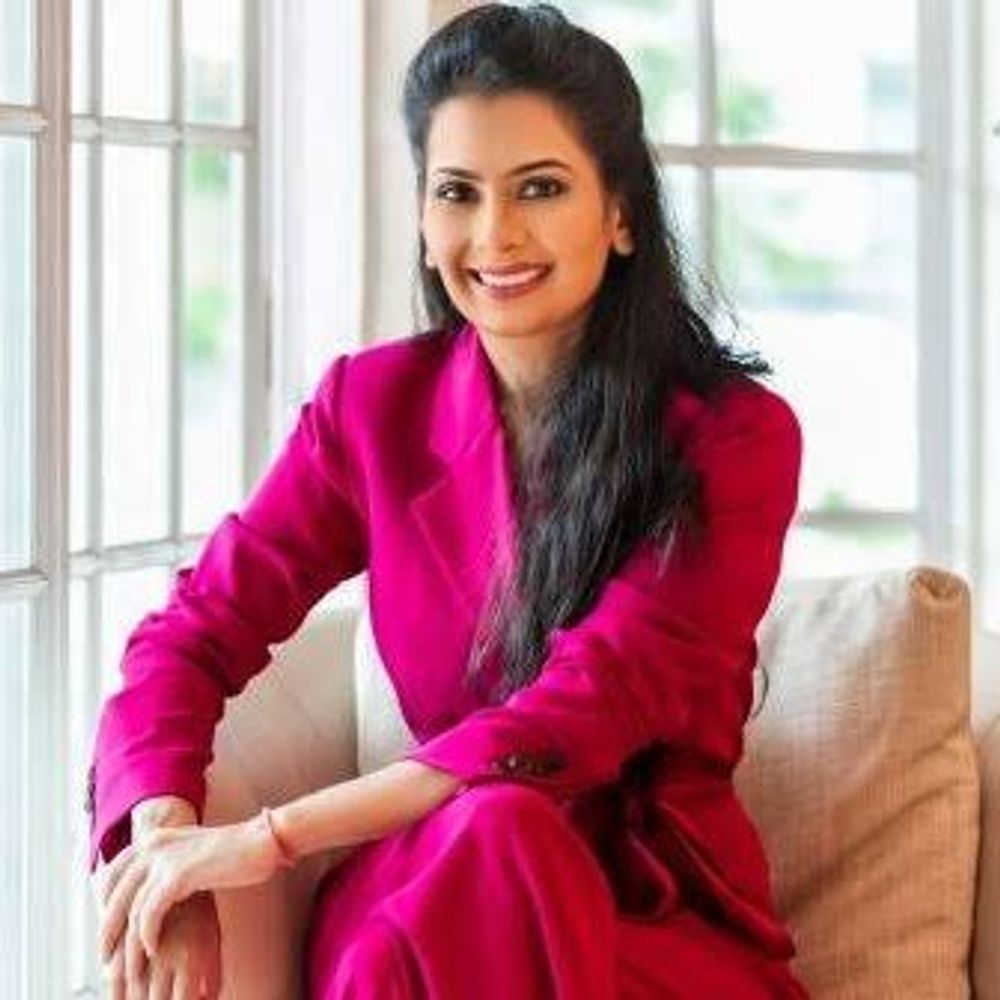
Prerna Jhunjhunwala is the founder of Creative Galileo, an EdTech platform focused on early childhood learning through gamification and culturally relevant content. As one of the prominent women EdTech speakers India looks to for insights on early learning, Prerna brings a blend of entrepreneurial drive and pedagogical rigor to her public engagements.
Her speaking roles at startup conclaves, EdTech innovation forums, and investor events are marked by her commitment to evidence-based education and the importance of foundational literacy. Prerna often discusses the challenges of designing EdTech products for young learners in India, where linguistic diversity and digital access remain major hurdles. She draws on her experience navigating funding, product-market fit, and curriculum partnerships to provide actionable insights for other women founders and industry leaders.
Prerna is also vocal about the need for more women in leadership roles within the Indian EdTech ecosystem. She frames this not as a matter of representation alone, but as a business necessity for building products that genuinely address the needs of India’s youngest learners. Her presence on panels and in boardrooms underscores the value of having founders who understand both the commercial and human dimensions of EdTech.
Neelam Pol: Policy, Public-Private Partnerships, and Systemic EdTech Reform
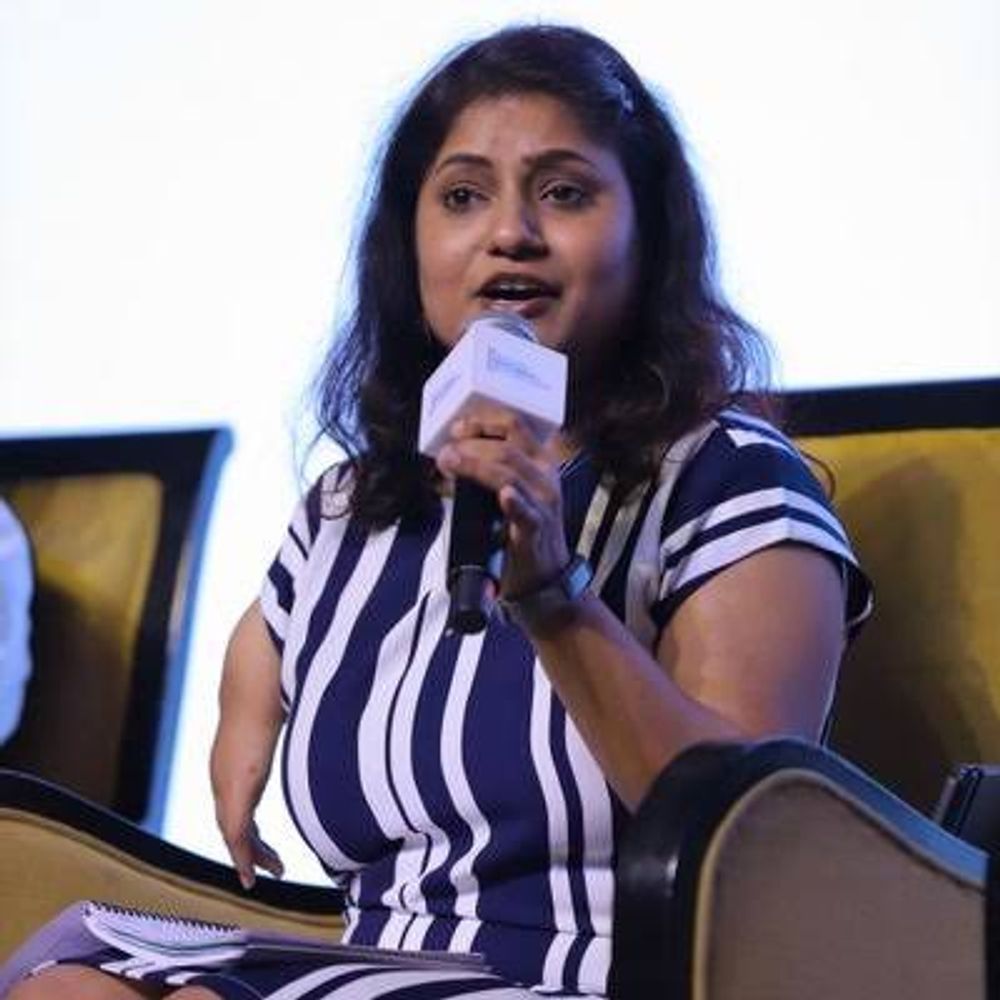
Neelam Pol is the founder of Khel Planet and a former policy advisor with the Government of Maharashtra, where she led key EdTech initiatives. Among women EdTech speakers India has in its policy circles, Neelam’s expertise in systemic reform and public-private partnership stands out. She is often invited to speak at government roundtables, international development forums, and EdTech policy summits.
Neelam’s interventions are characterised by a focus on structural change. She addresses the complexities of scaling technology in government-run schools, integrating digital tools into state curricula, and measuring impact at scale. Her experience spans on-the-ground implementation as well as high-level strategy, allowing her to bridge the gap between policy intent and classroom reality. Neelam frequently discusses the importance of co-creation with teachers, community buy-in, and ethical considerations in EdTech deployment.
In Indian boardrooms, Neelam is known for her ability to navigate the intersection of technology, governance, and social equity. Her commentary is grounded in both quantitative data and qualitative insights from fieldwork. For event organisers and EdTech companies seeking to understand the policy landscape, Neelam offers a clear, systemic perspective anchored in Indian realities.
Meeta Sengupta: Thought Leadership in Education Policy and Technology

Meeta Sengupta is recognised as a leading policy commentator and thought leader in Indian education. She is the founder of the Centre for Education Strategy and a regular columnist for national publications. As one of the most articulate women EdTech speakers India engages with, Meeta occupies a unique space at the intersection of policy, research, and technology.
Meeta’s speaking engagements span government advisory panels, EdTech investor forums, and academic conferences. She is adept at unpacking the systemic issues that underpin India’s education challenges, from regulatory bottlenecks to teacher training and assessment reforms. Her sessions often focus on how technology can be harnessed to improve learning outcomes at scale, while cautioning against the pitfalls of one-size-fits-all solutions.
Meeta’s reputation in Indian boardrooms is built on her ability to communicate complex policy issues with clarity and precision. She frames her arguments with reference to both global best practices and ground realities, ensuring her commentary is relevant to Indian stakeholders. For professional women in EdTech, Meeta’s career offers a roadmap for combining subject-matter expertise with public advocacy.
Rukmini Banerji: Evidence-Based Insights from the Pratham Experience

Rukmini Banerji is the CEO of Pratham and a leading authority on foundational learning and large-scale education interventions in India. Among women EdTech speakers India calls upon for data-driven insights, Rukmini’s presence is unmatched. She is a regular speaker at education summits, policy dialogues, and EdTech forums, where her evidence-based perspective is highly valued.
Rukmini’s expertise lies in connecting research with practice. She is best known for her work on the Annual Status of Education Report (ASER), which has become a benchmark for tracking learning outcomes in India. In her talks, Rukmini unpacks the implications of ASER findings for EdTech companies, policymakers, and investors. She is candid about the limitations of technology in addressing deep-rooted systemic issues, while also highlighting the potential for well-designed EdTech solutions to support teachers and bridge learning gaps.
Rukmini’s commentary is informed by decades of fieldwork and a nuanced understanding of rural and urban education contexts. In Indian boardrooms and at international conferences, she is recognised for her ability to move beyond rhetoric, offering grounded, actionable insights that resonate with practitioners and policymakers alike.
Shveta Raina: AI-Driven Learning and Skills Development

Shveta Raina is the founder of Talerang, a leading platform for career readiness and workplace skills, and is known for pioneering the use of AI and analytics in learning pathways. As one of the emerging women EdTech speakers India seeks out for expertise in future-of-work themes, Shveta brings a practical, market-facing perspective to her public engagements.
Her speaking roles at technology conferences, skills development summits, and corporate leadership events are characterised by a focus on employability, digital skills, and the integration of AI into mainstream education. Shveta often discusses the challenge of aligning EdTech offerings with the expectations of Indian employers and the realities of a rapidly changing job market. She draws on data from Talerang’s programs to illustrate what works, what does not, and how technology can bridge the gap between education and employment.
In boardrooms, Shveta is valued for her clarity on metrics and outcomes. She advocates for more rigorous evaluation of EdTech solutions and for greater collaboration between startups, corporates, and educational institutions. Her presence as a speaker reflects a new wave of EdTech leadership in India, one that is both technologically savvy and deeply attuned to the needs of young professionals.
Sumeet Mehta: Foundational Literacy, Teacher Training, and Scalable EdTech
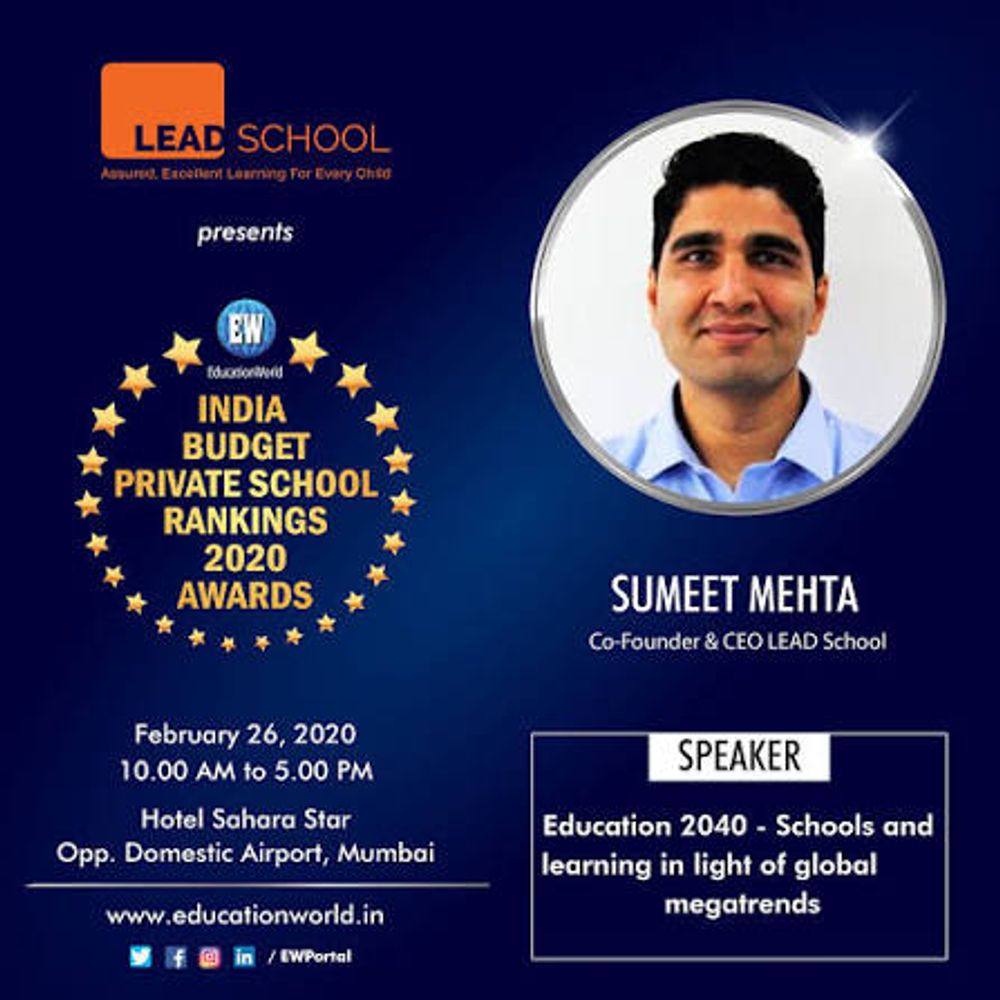
Sumeet Mehta is the co-founder of LEAD School, a rapidly growing EdTech company focused on improving foundational literacy and numeracy in India’s schools. While Sumeet’s name may be shared by men, in this context, we profile the work of Sumeet Mehta, the woman EdTech leader who is a visible presence on panels and in media as a subject-matter expert on education reform.
Sumeet’s speaking engagements span education technology forums, teacher training conferences, and startup summits. She is known for her focus on scalable solutions that address the realities of tier 2 and tier 3 cities, where digital infrastructure and teacher capacity remain significant barriers. Sumeet draws on her experience building partnerships with low-fee private schools and government education departments to provide grounded, operational insights.
Her public commentary often addresses the need for systemic support for teachers, practical approaches to curriculum design, and the importance of data in tracking student progress. In Indian boardrooms, Sumeet is recognised for her operational rigour and her commitment to evidence-based practices. For event organisers seeking credible women EdTech speakers India can rely on, Sumeet represents the blend of experience and vision required to move the sector forward.
Aparna Athreya: Play-Based Learning and Interactive EdTech

Aparna Athreya is the founder of Kid and Parent Foundation and a recognised advocate for play-based learning in the Indian EdTech space. Among women EdTech speakers India regularly features at child development and pedagogy conferences, Aparna’s work bridges neuroscience, storytelling, and interactive technology.
Her speaking roles include education technology expos, teacher training workshops, and parenting forums. Aparna focuses on the science of learning, emphasising the role of play, social interaction, and emotional intelligence in early education. She is known for challenging the over-reliance on rote digital content, instead advocating for holistic, child-centric approaches that leverage technology to enhance curiosity and creativity.
Aparna’s credibility as a speaker stems from her work with schools, NGOs, and EdTech companies across India. She provides actionable frameworks for integrating play into both online and offline classrooms, drawing on global research and local practice. In a sector often dominated by test prep and exam-focused solutions, Aparna’s voice offers a reminder of the broader purpose of education technology.
Conclusion: Women EdTech Speakers India Cannot Afford to Overlook
The women profiled in this list represent the breadth and depth of expertise driving India’s EdTech sector forward. From policy reform and early childhood learning to AI-driven skills development and inclusive design, these women EdTech speakers India cannot afford to overlook are shaping not just products, but the very conversations that will define the sector’s future.
Their visibility on stage, in boardrooms, and across media platforms is changing the landscape for professional women in Indian workplaces. By framing education technology through the lens of systemic change, practical experience, and lived realities, these leaders are ensuring that the sector remains responsive to the needs of all learners. For event organisers, investors, and corporate leaders seeking credible voices for their panels and discussions, these women offer the clarity, evidence, and authority that the Indian EdTech sector demands.
As the sector continues to evolve, the prominence of women EdTech speakers India recognises as leaders will be an essential marker of both progress and possibility in education technology.
Related Reading
Women podcast speakers in India