Beyond the Glass Ceiling: India’s New Women’s Leadership Challenge
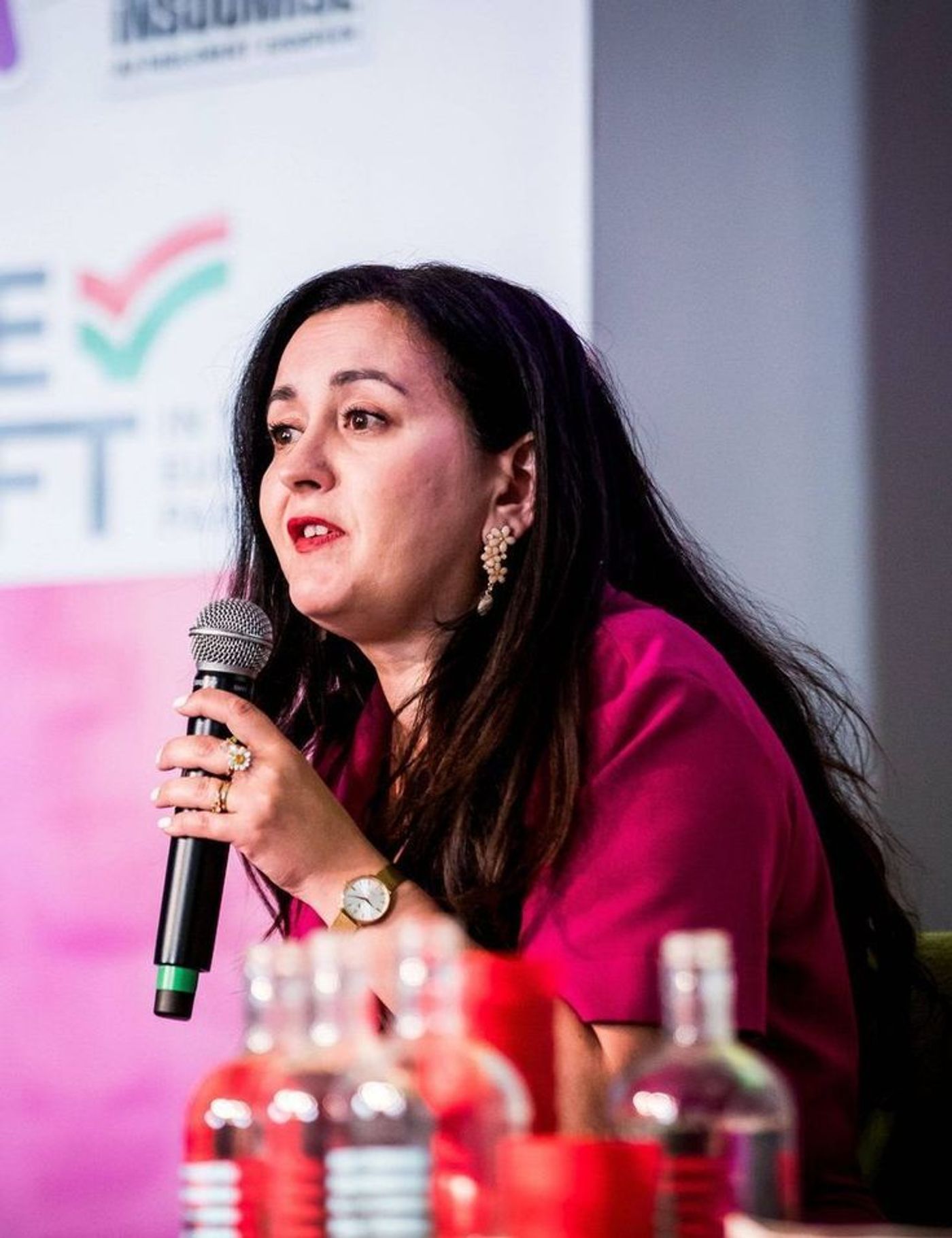
India has never had a shortage of capable women. It has had a shortage of systems that recognise, amplify, and reward their capability.
The country produces millions of women graduates every year. Women are entering entrepreneurship, science, technology, finance, public policy, media, and corporate leadership in numbers that would have been unimaginable a generation ago. Yet, when important conversations are shaped, panels are assembled, industries are represented, and expertise is sought, the same question continues to emerge: where are the women?
The contradiction is not about ability. It is about influence.
For decades, the conversation around women’s professional advancement in India has focused on access: access to education, access to employment, access to financial independence. Those remain critical issues. But in 2026, another gap has become increasingly visible. The gap between participation and recognition. Between expertise and authority. Between being present in the room and being considered someone whose voice defines the room.
The next challenge for women’s leadership in India is not simply helping more women enter professional spaces. It is ensuring that more women become visible as experts, decision-makers, and agenda-setters within those spaces.
India’s Leadership Conversation Has Changed, But Representation Has Not Kept Pace
For much of India’s economic growth story, women’s advancement was measured through traditional indicators: education levels, workforce participation, employment opportunities, and income generation. These measures remain important, but they do not fully capture how leadership operates today.
Modern influence is built differently.
A leader’s ability to shape industries increasingly depends not only on their formal position but also on their visibility, networks, reputation, and ability to communicate ideas publicly. The people who define conversations around innovation, business, policy, technology, and social change are often those whose expertise travels beyond their immediate organisations.
This shift matters because many women professionals have historically been encouraged to build competence before visibility. They are often rewarded for reliability, execution, and behind-the-scenes excellence. However, leadership ecosystems increasingly value people who can represent ideas externally, build communities, attract opportunities, and become recognised voices in their fields.
The result is a subtle but significant imbalance. Women may be present across industries but remain less represented among those who are publicly recognised as authorities.
A senior executive leading a business division, a founder building a company, a researcher producing breakthrough work, or a policy expert influencing decisions may all possess significant expertise. Yet expertise does not automatically translate into influence. It requires platforms, networks, and opportunities where that expertise can be recognised.
This is where the conversation around women’s leadership needs to evolve.
The question is no longer only whether women have seats at the table. It is whether they are shaping what happens at the table.
The Indian Economy Is Moving Towards Expertise, Networks, and Reputation
India’s economic transformation is creating new forms of opportunity. The rise of technology, entrepreneurship, consulting, knowledge-based industries, and digital platforms has changed how professional credibility is built.
In previous generations, career advancement was largely tied to organisational hierarchy. A person’s title, company, and years of experience often determined their influence. Today, leadership is increasingly shaped by intellectual presence. The ability to explain ideas, represent expertise, build trust, and contribute to public conversations has become a career asset.
This change is particularly important for women because traditional leadership pathways have often depended on informal networks. Many opportunities are created through relationships, introductions, sponsorship, and visibility among influential circles. When women are excluded from these networks, even temporarily, the impact compounds over time.
Research across global workplaces has repeatedly shown that women face barriers in accessing sponsorship and advancement opportunities, even when they demonstrate strong performance. The challenge is not always whether women are capable of leadership. It is whether organisations create pathways for women to be recognised as leadership material.
India’s startup ecosystem provides another example. Women founders have made significant contributions across consumer businesses, technology, healthcare, education, and financial services. However, funding patterns continue to reveal gaps in access to capital and investor networks.
The same pattern appears across industries: women are building, creating, and leading, but their visibility often does not match their contribution.
As India moves deeper into a knowledge economy, influence itself becomes a form of economic capital.
For Women Professionals, The Barrier Is Often Not Capability But Conversion
One of the most misunderstood aspects of women’s leadership is that professional success naturally leads to influence. In reality, the two develop through different mechanisms.
Capability is built through education, experience, and expertise. Influence is built through visibility, credibility, relationships, and communication.
A woman may spend years developing technical expertise, managing teams, building companies, conducting research, or delivering results. Yet if her ideas remain limited to internal meetings and private conversations, the wider ecosystem may never recognise her contribution.
This is not simply an individual challenge. It reflects deeper cultural expectations.
Women have historically been encouraged to demonstrate competence before claiming authority. They are often expected to be fully prepared before speaking, fully qualified before applying, and fully accomplished before positioning themselves as experts. Men, research has often shown, are more likely to pursue opportunities even when they do not meet every listed requirement.
The consequence is that many highly qualified women underestimate the value of their own perspectives.
This does not mean women need to constantly market themselves or turn professional identity into personal branding. It means leadership today requires a willingness to make expertise visible.
Speaking at industry forums, participating in discussions, writing about ideas, mentoring others, joining professional communities, and building networks are not optional activities anymore. They are part of how leadership ecosystems identify talent.
The future leader is not only someone who delivers results. It is someone whose thinking can travel.
The Future Belongs to Women Who Can Translate Expertise Into Influence
The next decade will reward professionals who can move beyond individual achievement and become contributors to larger conversations.
For women, this creates both a challenge and an opportunity.
The challenge is that traditional measures of success are no longer enough. A strong résumé, a prestigious qualification, or years of experience may open doors, but influence determines how far those doors lead.
The opportunity is that modern platforms have expanded who can participate in shaping narratives. Women no longer need to wait for traditional gatekeepers to recognise their expertise. Communities, digital platforms, professional networks, conferences, and industry forums have created new pathways for visibility.
However, access to these platforms remains uneven.
A true leadership ecosystem cannot depend only on individual confidence. It requires structural changes from organisations, industries, and communities. Companies need stronger sponsorship systems. Industry platforms need more intentional representation. Conferences and institutions need to move beyond repeatedly featuring the same familiar voices.
Representation cannot be treated as a numbers exercise. The goal is not simply to place more women on panels or in leadership reports. The goal is to create environments where women’s expertise becomes part of how industries think.
This is why platforms that connect women leaders with opportunities matter. Leadership grows through exposure, conversation, and exchange. A woman’s expertise gains power when it reaches the rooms where decisions are being made.
The future of women’s leadership in India will not only be defined by how many women enter powerful spaces. It will be defined by how many women influence what those spaces value.
India Does Not Need More Proof That Women Are Capable. It Needs Better Pathways for Their Influence
The conversation around women’s advancement has often focused on proving capability. But after decades of progress, that argument is becoming increasingly outdated.
Women have already demonstrated their ability to lead businesses, build companies, drive research, shape policy, and transform communities.
The next challenge is visibility.
An economy cannot fully benefit from talent that remains unseen. Industries cannot innovate through perspectives that are absent from important conversations. Leadership cannot evolve if authority continues to be associated with the same limited networks and voices.
India’s next chapter of women’s leadership will depend on moving from participation to influence.
The question is no longer whether women belong in leadership conversations. The question is whether leadership conversations are ready to be shaped by women.
That is the shift India must build towards: not simply more women entering the room, but more women defining what happens inside it.