Women Leadership in Corporate India 2026: What Every Event Organiser Needs to Know Before Building a Speaker Lineup
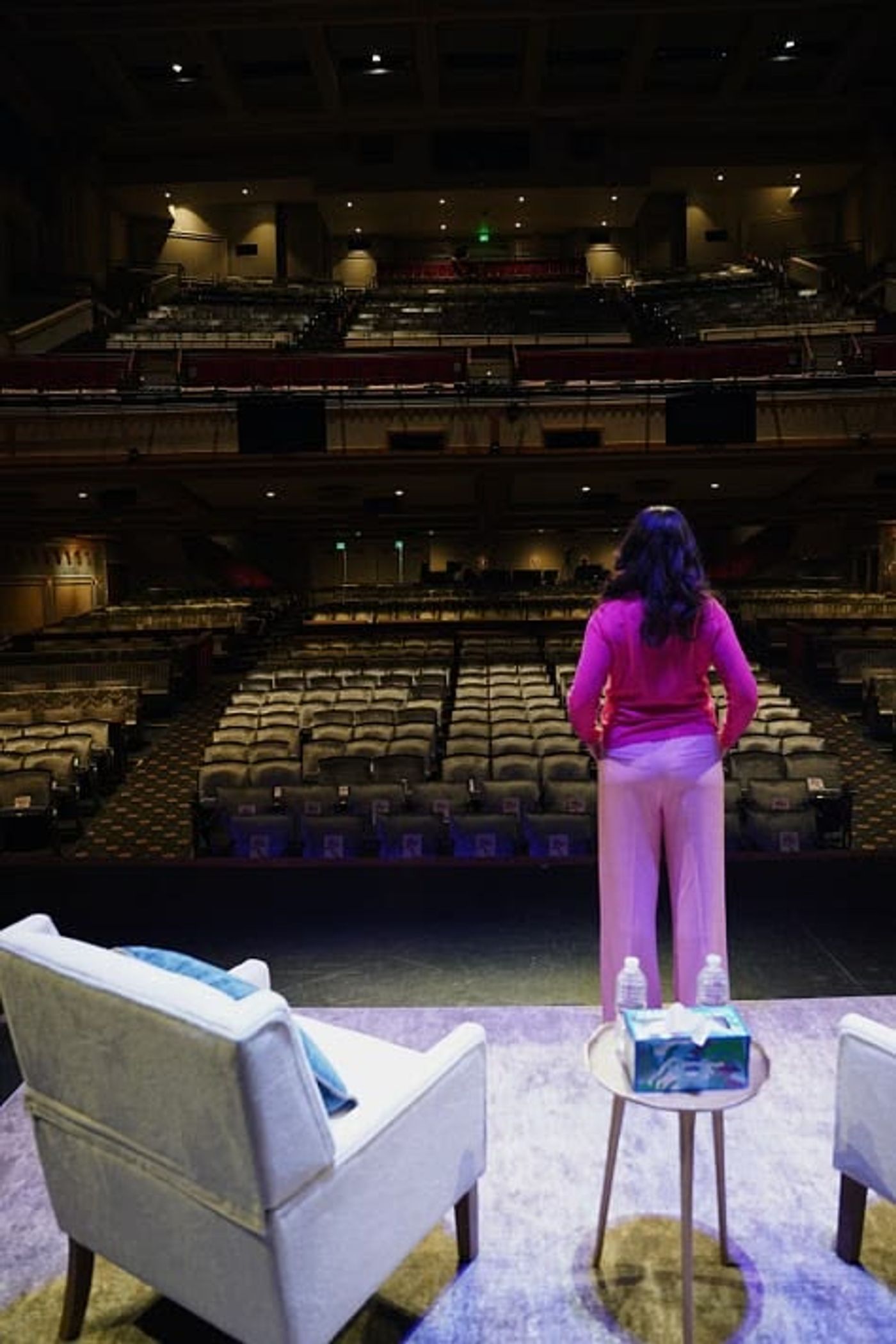
You have booked the venue, locked the agenda, and started building the speaker list. Then someone on your team asks a question you were not fully prepared for: where are the women on this panel.
If you organise conferences, summits, or corporate offsites in India, this question is no longer optional to answer well. Attendees notice all-male lineups. Sponsors ask about them before signing off on budgets. And increasingly, the data on who is actually leading corporate India makes a thin, homogenous panel look less like an oversight and more like a research gap on the organiser's part.
This piece is written for you, the person building the agenda, not for the women trying to get on stage. It covers what the representation numbers actually say, why an unbalanced panel is a credibility problem rather than a cosmetic one, and how to source qualified women leaders without relying on the same six names your industry always calls.
The manel problem is not new, but the tolerance for it is shrinking
An all-male panel, now widely called a manel, used to be the default at most business events and nobody blinked. That has changed. The shift started internationally when Francis Collins, then director of the US National Institutes of Health, publicly pledged to decline any invitation to speak on an all-male panel, a move covered by the World Economic Forum as part of a broader reckoning across scientific and industry conferences.
India has had its own version of this conversation. Commentary from Ungender, a workplace diversity consultancy, has pointed out that manels at Indian corporate events are rarely intentional exclusion. They are usually the result of organisers defaulting to whichever senior leader comes to mind first, and in most functions outside HR and communications, that person is statistically more likely to be a man.
That last point matters for you as an organiser, because it means the manel problem is mostly a sourcing problem, not a malice problem. Fixing it does not require a values debate with your committee. It requires a better speaker pipeline.
Why the lineup matters beyond optics
It is tempting to treat panel diversity as a reputational checkbox, something to manage so nobody complains on social media. The more useful way to think about it is as a proxy for how seriously your event engages with where Indian business is actually heading.
Consider the boardroom data. According to Deloitte's Women in the Boardroom report, women held 18.3 percent of board seats across India Inc in 2023, up from 13.8 percent in 2018. That is real, measurable movement, and it means there are more senior women in governance and strategy roles today than there were even three years ago. If your event's leadership content still reflects an older ratio, you are not describing the market you are covering, you are describing a slightly outdated one.
There is also a performance argument that sponsors and CFOs tend to respond to. McKinsey's Diversity Matters research has consistently found that companies in the top quartile for gender diversity on executive teams are more likely to financially outperform their peers, with the gap widening to 39 percent in the most recent edition. When you put a genuinely diverse panel in front of an audience of decision-makers, you are not just satisfying a representation quota. You are modelling the kind of leadership composition that the data says correlates with stronger business outcomes, which is a more credible pitch to sponsors than "we tried to be inclusive."
And the pipeline argument cuts the other way too, which is worth understanding so you know where the real difficulty lies. NASSCOM data shows women make up around 36 percent of the entry-level technology workforce in India, but that representation thins sharply by the time you reach senior and C-suite roles. This is exactly why sourcing senior women speakers for a tech, product, or growth-stage panel can feel harder than sourcing for an HR or marketing one. The pipeline gap is real. It is also precisely why the women who have broken through that gap are disproportionately worth featuring. They are not filling a quota, they are the ones who solved a structural problem your event can showcase.
The real barrier is access, not availability
Most organisers who end up with a manel did not choose it. They ran out of time, defaulted to a familiar name, or assumed that finding a credible woman leader in a niche technical domain would take longer than their deadline allowed.
That assumption is usually wrong, but it persists because most organisers are sourcing speakers the same way they always have: through personal networks, agency recommendations, or whoever responded fastest to a cold LinkedIn message. None of those methods are built to surface women leaders who are highly credible but not yet famous on the conference circuit, which describes a large share of the senior women actually running P&L, product, and strategy functions in Indian companies today.
The fix is not lowering your bar. It is widening your search radius to include verified, pre-vetted speaker pools instead of relying only on who your team already knows.
What a well-built lineup actually looks like
A handful of practical shifts change the outcome of your speaker sourcing process significantly.
Audit the ratio before you finalise, not after you get feedback. Once a lineup is public, correcting it looks reactive. Build a simple rule into your planning process, something like no panel goes to final approval without at least one credible woman speaker under active consideration, and check it at the draft stage rather than the announcement stage.
Separate topic assignment from gender assumptions. One recurring pattern flagged in commentary on manels, including from the diversity platform Monday 8AM, is that women are frequently invited to speak only on panels about gender, diversity, or HR topics, while conversations on strategy, technology, or governance stay male-dominated. If you are building a panel on AI, supply chain, or capital markets, actively look for women with direct expertise in that domain rather than defaulting to a general "women in leadership" slot elsewhere on the agenda.
Source earlier in your planning cycle. The tightest lineups usually come from organisers who started speaker outreach six to eight weeks before the event rather than two. Verified speaker directories exist precisely so you are not starting your search from zero when the deadline is close. A directory that has already confirmed a speaker's credentials, past speaking experience, and areas of expertise saves you the vetting time you would otherwise spend chasing references.
Look beyond your own city and sector. Senior women leaders are increasingly based outside the Mumbai-Delhi-Bengaluru circuit, as global capability centres and enterprise hubs expand into Pune, Hyderabad, Chennai, and tier-two cities. If your outreach list only includes people your committee has met in person, you are missing a growing share of the most relevant voices.
Build a moderator bench that reflects the same standard. A diverse panel moderated entirely by the same handful of familiar faces still narrows the range of perspective in the room. Apply the same sourcing discipline to who is asking the questions, not just who is answering them.
Where to find verified women leaders without starting from scratch
This is exactly the gap Draupadi on the Dais was built to close. It is a curated directory of senior Indian women across industries, functions, and geographies, each profile verified for credentials and speaking readiness before it goes live. Instead of cold-messaging LinkedIn profiles and hoping for a response, organisers can browse verified speakers by industry, expertise, or city and shortlist candidates who are already prepared to be found.
The directory exists because the demand-side problem described above, organisers running out of time and defaulting to familiar names, is common enough to be predictable. It is also why the women featured are not limited to the usual keynote circuit. Many are senior operators, P&L owners, and function heads who are highly credible but have not yet built a public speaking profile, exactly the profile most likely to be missing from your current shortlist.
If you are building a 2026 event calendar and want to see the kind of speaker depth available across sectors like fintech, healthcare, D&I, and technology, it is worth looking at how the broader shift toward P&L-owning women leaders is unfolding across corporate India. This connects directly to the sourcing challenge above: the women reaching senior operating roles in 2026 are disproportionately the ones building visible expertise and strong professional networks well before they reach the stage, which is exactly the profile a well-built directory helps you find early rather than at the last minute.
Organisations that have already listed themselves can be found by claiming a profile through the Dais application process, and any speaker or organisation curious about how the platform works can review more about the initiative here.
For organisers working further out, it is also worth tracking how the funding and founder landscape is shifting, since keynote and panel demand for women entrepreneurs is rising alongside investor interest. A useful reference point is this breakdown of why investors are paying closer attention to women-led startups in India in 2026, which profiles the kind of founder-speakers increasingly relevant to fintech, D2C, and venture-focused events.
Building this into your process, not just your next event
The organisers who consistently avoid manels are not the ones who scramble to fix a lineup after criticism. They are the ones who treat speaker sourcing as a research function with its own lead time, its own verified sources, and its own standards, the same way they would treat vendor selection or venue logistics.
The representation data will keep moving. Board seats, senior operating roles, and P&L ownership among Indian women are all trending upward, and an event built on last year's assumptions about who is available to speak will increasingly look out of step with where the market actually is. The organisers who get ahead of that shift are the ones building their speaker pipeline now, before the next agenda deadline forces a rushed decision.
Start earlier, widen the search, and use a source built to make credible women leaders findable. The lineup you build this way will hold up better under scrutiny, and it will be a more accurate reflection of the leadership landscape your event claims to be covering.